Designing Connected Futures with IoT & AI
Intensive summer program on IoT and Artificial Intelligence, to learn how to design connected systems and develop smart AI-powered solutions.
5-12 July (age 16-17)
19-26 July (age 18-25)
Designing Connected Futures with IoT & AI
We live in an era where the physical and digital worlds are no longer separate. Sensors, smart networks, cloud platforms, and Artificial Intelligence algorithms are transforming objects, cities, and infrastructure into connected, automated, and data-driven systems. The Internet of Things (IoT) and AI are no longer just technology trends—they are strategic skills for understanding and designing the architecture of the future.
As digital transformation reshapes industry, energy, mobility, healthcare, and smart cities, the demand grows for professionals who can integrate networking, data analysis, and intelligent automation. Experts are needed who understand the full cycle from sensor → data → network → algorithm → action, translating technology into tangible, high-impact solutions.
Designing Connected Futures: IoT & AI is an intensive summer program developed in partnership with Cisco, designed to train the next generation of innovators and system thinkers. In an immersive, hands-on experience, students combine the internationally recognized Cisco Networking Academy curriculum with H-FARM’s project-based approach, learning to design IoT ecosystems, understand automation logic, and develop AI Agents capable of interacting with intelligent environments.
The program is structured into two distinct tracks based on age group:
Ages 16–17 (high school students
A dynamic, hands-on track designed for those who want to explore how the connected world works, learn the basics of networking and Python, dive into IoT, and prototype their first AI-powered solutions in a creative and mindful way.
18-25 (university students)
An intensive, more technical experience designed for those who want to deepen their knowledge of IoT and Artificial Intelligence with a professional approach, combining theory and advanced labs, and earning internationally recognized Cisco certifications.
Why choose Designing Connected Futures with IoT & AI
A summer program that combines IoT and Artificial Intelligence to develop practical skills in designing connected systems and smart solutions.
COMPREHENSIVE TRAINING
Practical, hands-on approach
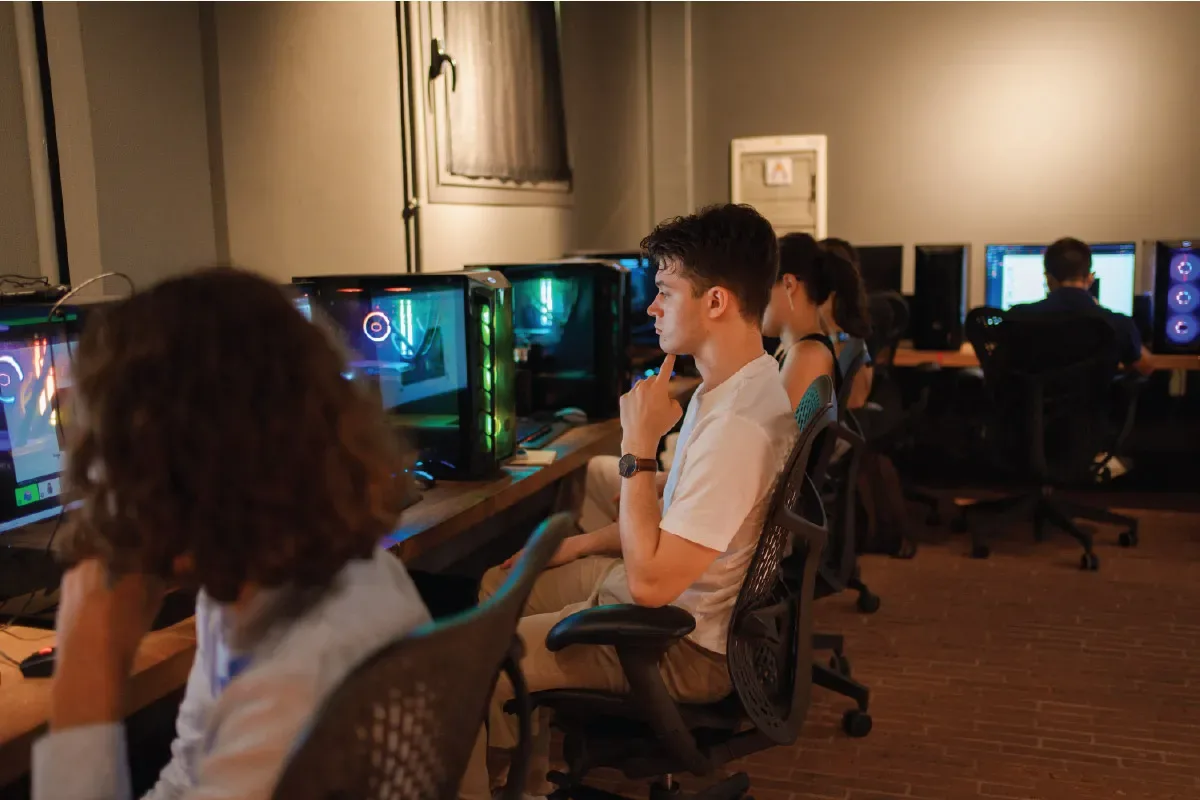
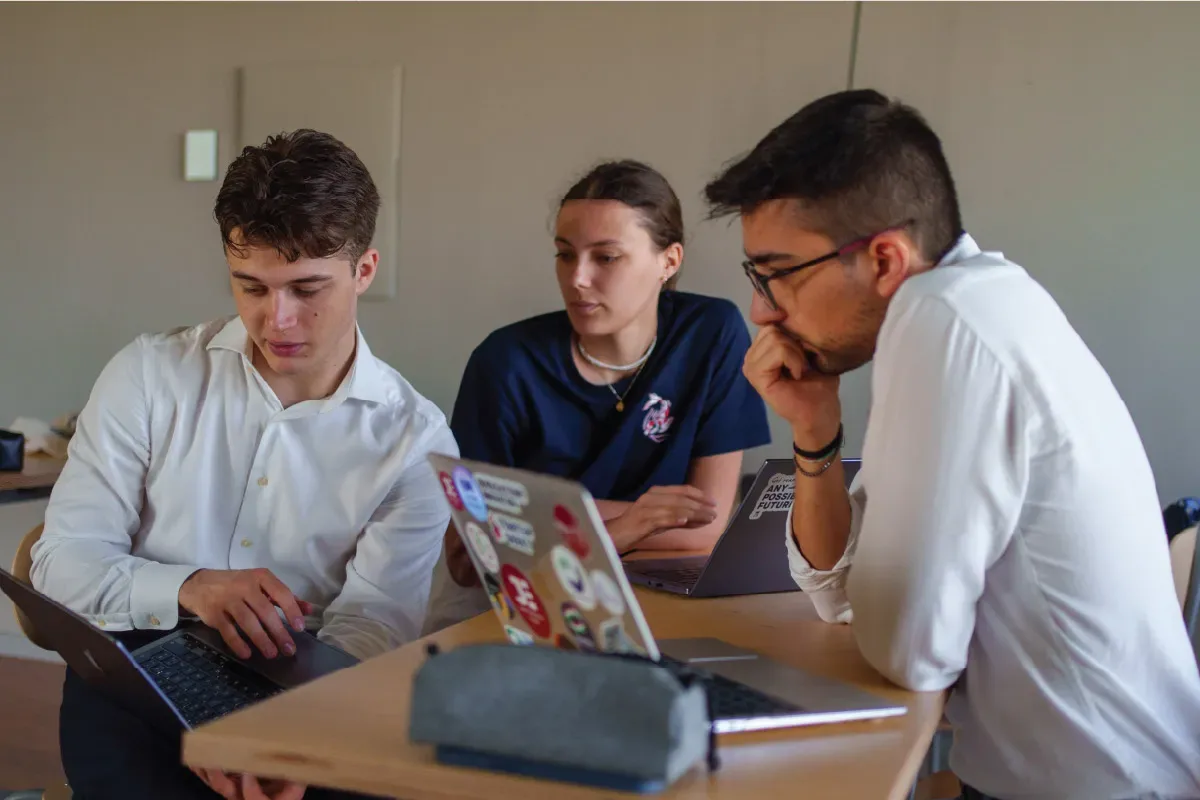
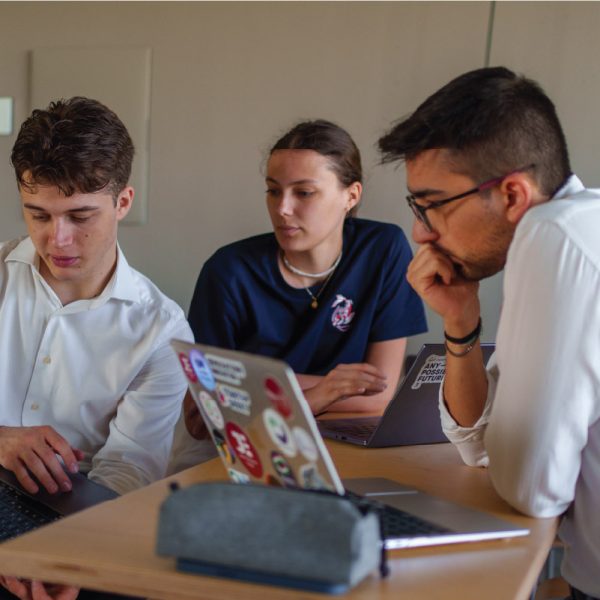
An immersive week of lectures, workshops, and project work led by H-FARM College instructors and Cisco experts, designed to turn theory into practical skills that can be applied immediately in the real world.
NETWORKING OPPORTUNITIES
Expand your network
Expand your network, connect with other technology enthusiasts, engage with mentors and industry experts, and turn every interaction into a real opportunity for your future career.
CISCO CERTIFICATIONS
Certifications for the future
By successfully completing the final assessments, you will earn the official Cisco Networking Academy digital badges, internationally recognized certifications validated through Credly, the global platform for digital credentials.
Extra activities
The Summer Program continues beyond the classroom, offering a range of extracurricular activities designed to experience the Campus to the fullest.
The Student Life team supports every experience, creating moments of discovery, fun, and connection. Activities provide the chance to explore different interests, engage both body and mind, express creativity, and spend time with others in informal settings. From outdoor sports and hands-on workshops to themed evenings, music, games, and relaxing moments, each activity becomes an opportunity to try something new, uncover hidden talents, and build connections that last well beyond the program.
Examples of activities include outdoor sports like Golden Hour Beach Volleyball, cooking classes with shared dinners, game nights, DJ sets, themed parties, movie nights, and pizza nights. Each is designed to relax, entertain, and create memories that stay long after the summer ends.
Every activity is carefully organized to ensure a safe, welcoming, and stimulating environment, where participants can fully enjoy the Summer Program experience.
The program (age 16-17)
This track is designed for students aged 16 to 17 who want to go beyond passive technology use and truly understand how the connected world works. During the week, participants dive into the Internet of Things ecosystem and discover how devices, networks, and data interact to generate automation and intelligence in physical environments.
The program starts with the fundamentals: network architecture, decision-making logic, flowcharts, and basic Python scripts to control simulated devices. Through hands-on labs and smart environment simulations, students design small IoT systems, learning to turn physical inputs into automated actions using code and networking.
Next, the focus shifts to Artificial Intelligence applied to connected environments. Students explore how generative models work and design AI Agents capable of interpreting requests, structuring outputs, and supporting the management of intelligent spaces. This is not abstract theory but hands-on prototyping using visual tools and no-code platforms.
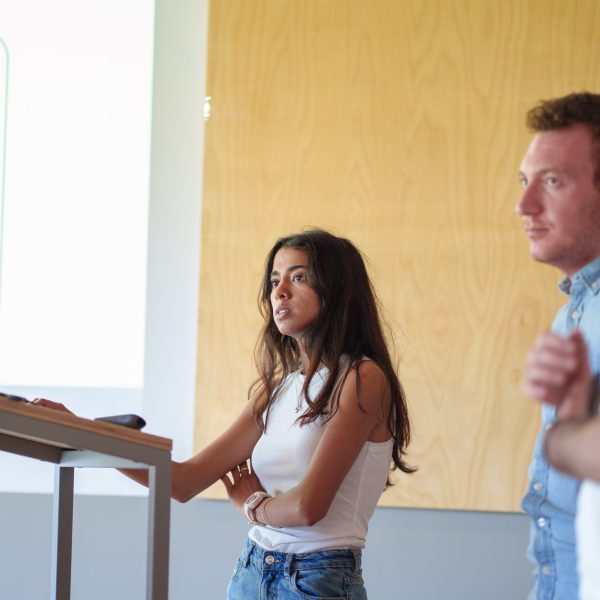
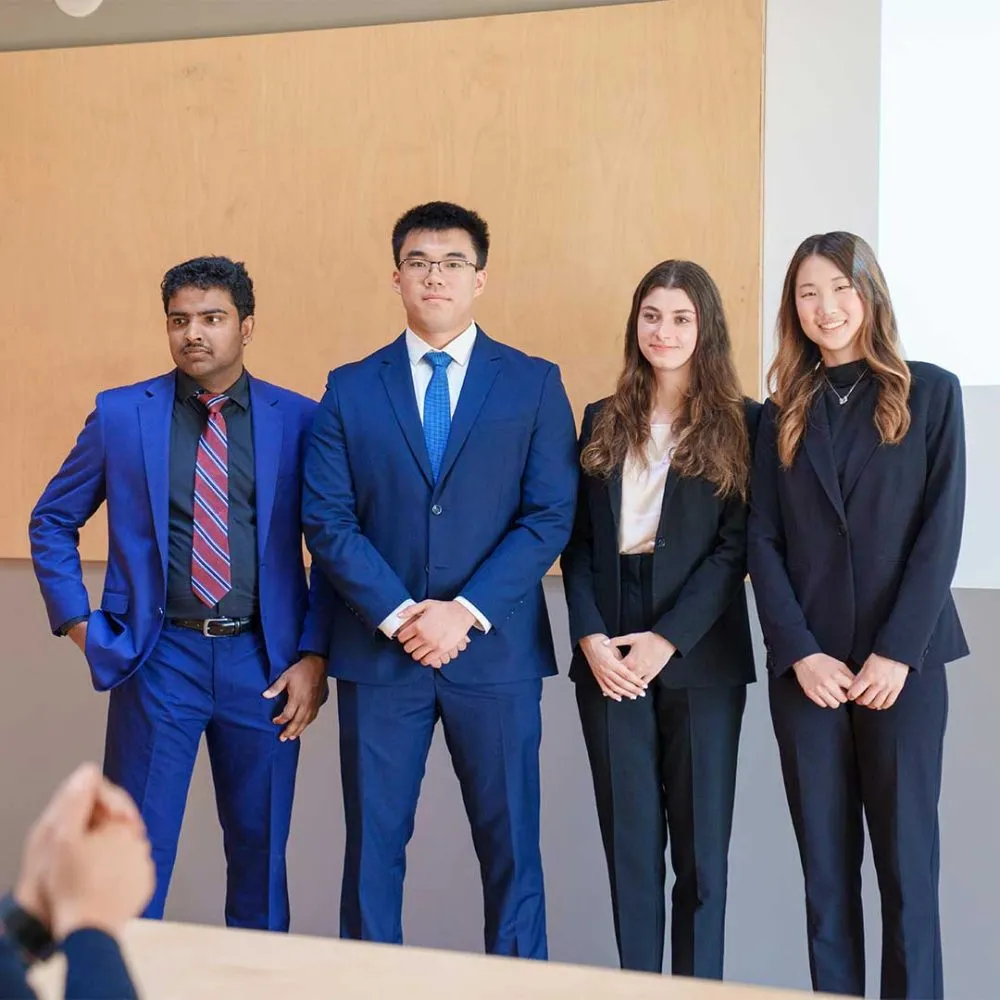
The week concludes with a design challenge where teams develop an AI-powered application concept tied to a real-world scenario—from a smart school to a smart city—and present it during a final Demo Day.
At the end of the program, students earn the official Cisco Networking Academy digital badge in Introduction to IoT and Digital Transformation, internationally recognized and validated through Credly.
You will discover how sensors, networks, and data transform physical objects into connected intelligent systems
You will learn how to design simple automation logic using flowcharts and Python
You will understand how the Internet of Things works and how devices communicate with each other
You will explore the fundamentals of Artificial Intelligence models and Large Language Models (LLMs)
You will prototype an AI Agent and an AI-powered app for a real-world smart scenario
Agenda
Day 1
Focus: How the connected world works
Theory: IoT system architecture, devices and sensors, basics of networking, data → network → action cycle
Lab: Mapping a smart ecosystem, designing a decision flowchart, first simulations on Packet Tracer
Day 2
Focus: From data to automation
Theory: Big Data (Volume, Velocity, Variety), automation vs. AI, algorithmic thinking, introduction to Python
Lab: Writing a simple Python script to control a simulated device, designing “if/then” rules for smart environments
Day 3
Focus: IoT security
Theory: Risks of connected systems, Security by Design principles, real IoT attack scenarios (e.g., botnets)
Lab: Designing a secure IoT network in simulation, configuring access rules and data protection
Day 4
Focus: AI & Smart Agents
Theory: How Large Language Models work, difference between chatbots and Agents, AI applied to physical environments
Lab: Prototyping an AI Agent with no-code visual tools to manage a smart scenario (e.g., smart school)
Day 5
Focus: Build Sprint & Demo Day
Theory: Designing AI-powered apps, applying Tech for Good concepts to IoT
Lab: Developing an AI-powered web app integrated into an IoT scenario, final pitch and Demo Day presentation
Who is aimed at?
The program is designed for students aged 16 to 18 who are curious to understand how the digital and connected world truly works. No advanced technical skills are required: basic familiarity with computers and the Internet, along with an interest in technology, is sufficient. Students will learn to translate theoretical concepts into tangible prototypes and creative digital solutions.
The program (age 18-25)
This program is designed for university students and young professionals who want to understand and design advanced connected systems. The track combines an international IoT certification with a hands-on lab on AI Agents, merging technical rigor with real-world applications.
Students explore complex IoT architectures, analyze data flows, design automated logic in Python, and simulate realistic connected systems. The program then delves into Artificial Intelligence applied to smart environments: from studying Large Language Models to designing AI Agents capable of orchestrating and managing digital ecosystems.
The week concludes with a design sprint in which participants develop AI-powered applications integrated into complex IoT scenarios, presenting them during a final Demo Day.
At the end of the program, students earn the official Cisco Networking Academy digital badges in Introduction to IoT and Digital Transformation and Introduction to Modern AI, internationally recognized and validated through Credly.
You will deepen your understanding of complex IoT system architecture and the data → network → action cycle
You will learn to design automated logic using Python and professional simulation tools
You will discover how to integrate AI Agents into connected ecosystems to manage smart environments
You will develop skills in managing data, automation, and the security of digital systems
You will prototype an AI-powered application connected to realistic IoT scenarios
Agenda
Day 1
Focus: Understanding complex IoT ecosystems
Theory: Advanced IoT architectures, data → network → action cycle, network design principles
Lab: Mapping realistic IoT environments, designing automated workflows, Python scripting for connected devices
Day 2
Focus: Data flow, automation & control
Theory: Big Data analysis, automation vs. AI, advanced algorithmic logic, Python for smart systems
Lab: Designing and simulating automated processes, controlling virtual devices, applying security rules
Day 3
Focus: IoT security & certification
Theory: Risks in connected systems, Security by Design, case studies of IoT attacks (e.g., botnets)
Lab: Implementing secure IoT networks in simulation, access control, data protection, certification exam preparation
Day 4
Focus: AI & Smart Agents
Theory: Large Language Models, AI Agents in smart environments, AI orchestration for connected systems
Lab: Prototyping AI Agents with no-code/visual tools to manage and optimize IoT ecosystems
Day 5
Focus: Build Sprint & Demo Day
Theory: Designing AI-powered applications for IoT scenarios, Tech for Good applied to complex systems
Lab: Developing AI-powered apps integrated into realistic IoT environments, final pitch and Demo Day presentation
Who is aimed at?
The program is designed for university students or young adults with basic knowledge of computers and the Internet and an interest in technology, automation, and AI. Familiarity with programming and networking concepts is recommended but not required: the track provides practical support and advanced guidance to develop operational and design skills.
H-FARM Campus: where innovation is born
A true ecosystem designed to inspire students, professionals, entrepreneurs, and anyone eager to engage with the future.
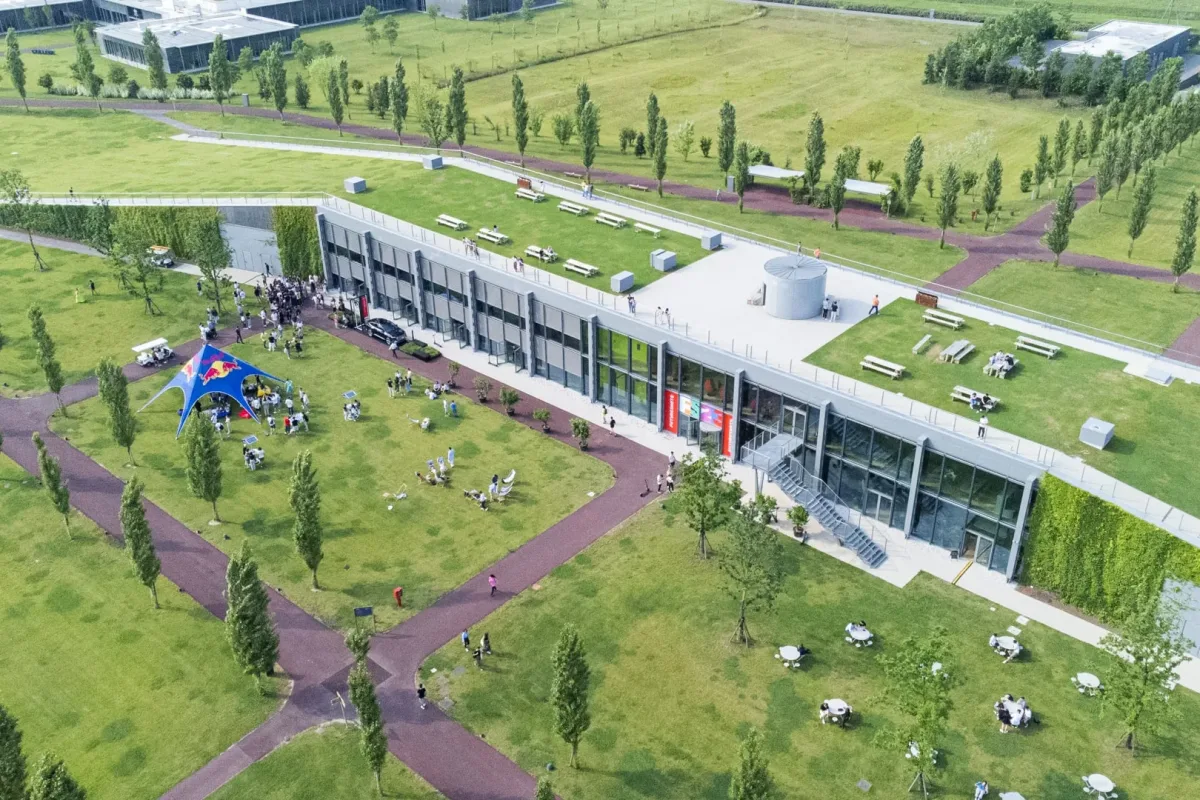
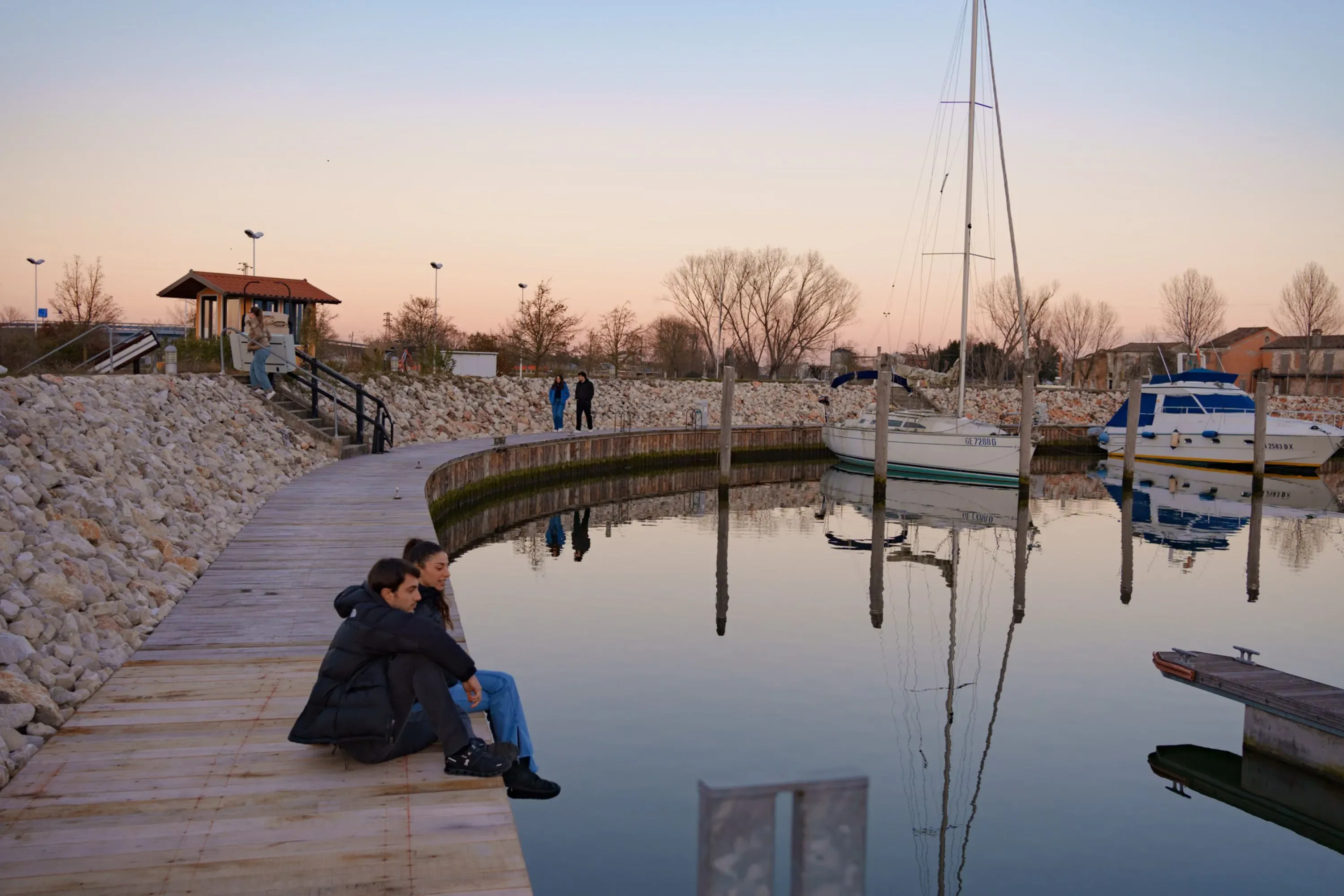
H-FARM Campus is much more than a physical space: it’s a true ecosystem designed to inspire students, professionals, entrepreneurs, and anyone eager to engage with the future. Located just a short walk from the Venetian lagoon, it’s an open, collaborative environment where education, technology, and creativity come together every day.
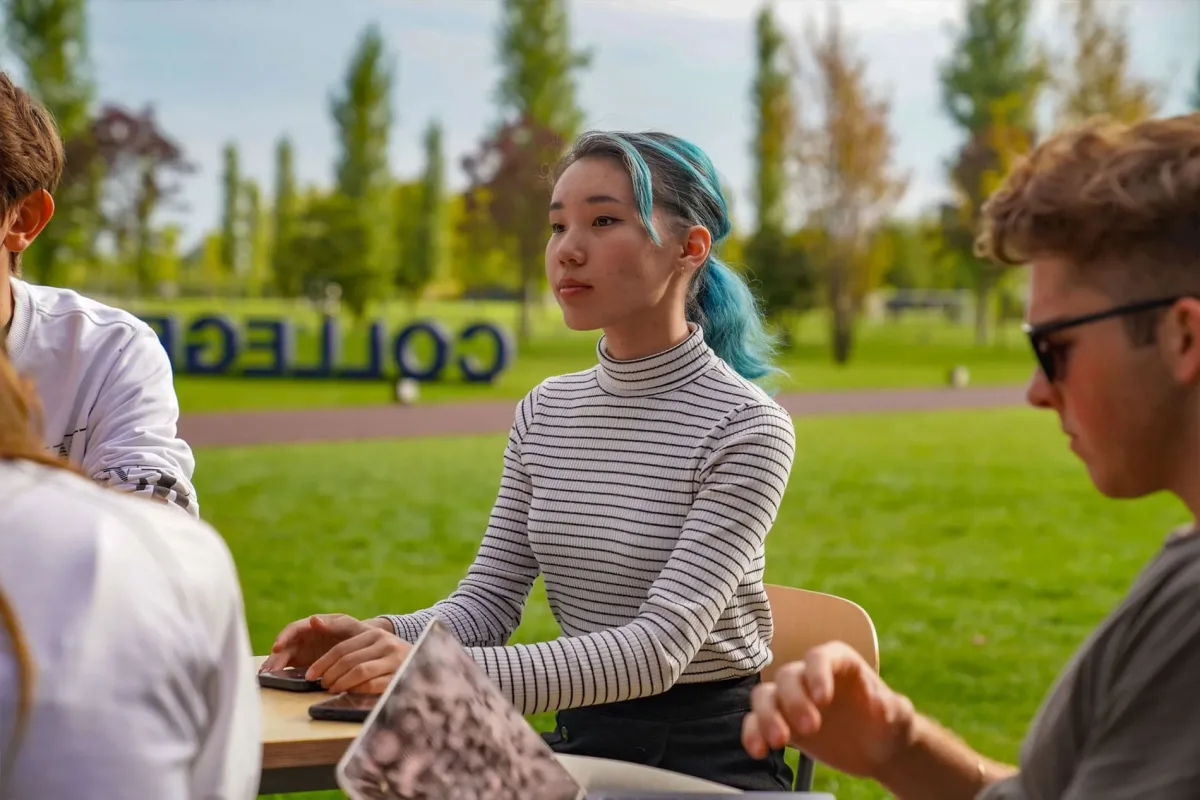
During this summer program, you will live and learn in a space designed to foster innovative and entrepreneurial thinking. The campus features education buildings, event halls, a conference center, a library, and collaborative areas where you can work in teams, meet mentors, and develop your business ideas.
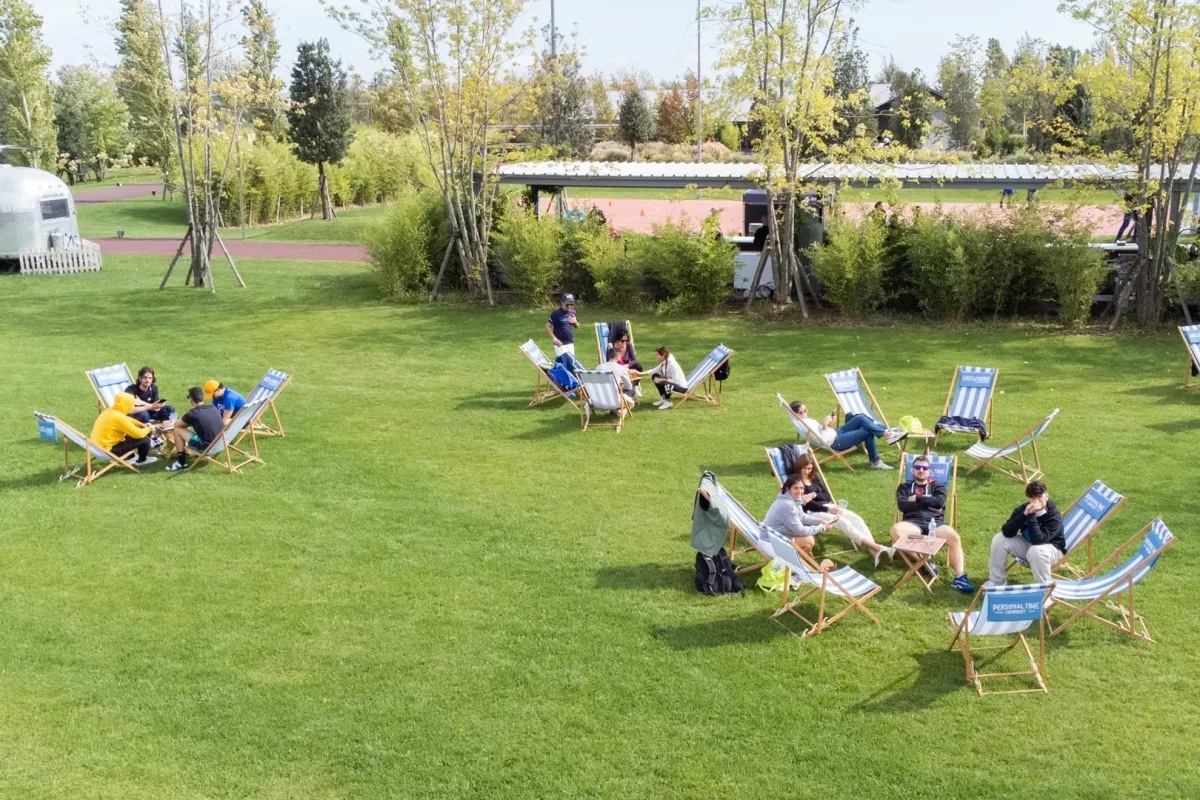
During breaks, you can relax or stay active across more than 5,000 sqm of outdoor green spaces and 1,600 sqm of indoor facilities, with sports ranging from padel and rugby to skateboarding and beach volleyball. A young, dynamic, and international community will accompany you throughout the bootcamp.
H-FARM Campus is also a model of sustainability: it generates 85% of its own energy needs and promotes green mobility with electric vehicles, bike sharing, and charging stations. Innovation and environmental care come together in a space designed for the future.
Accommodation
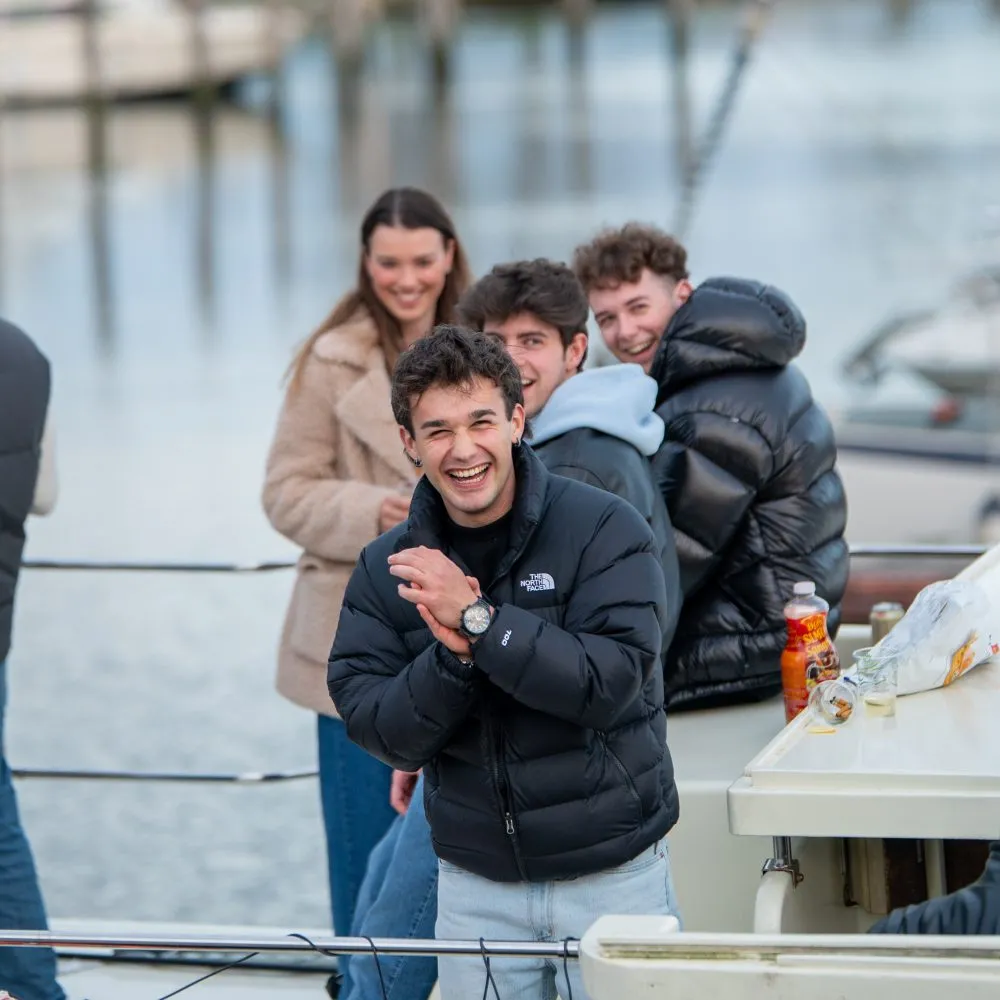
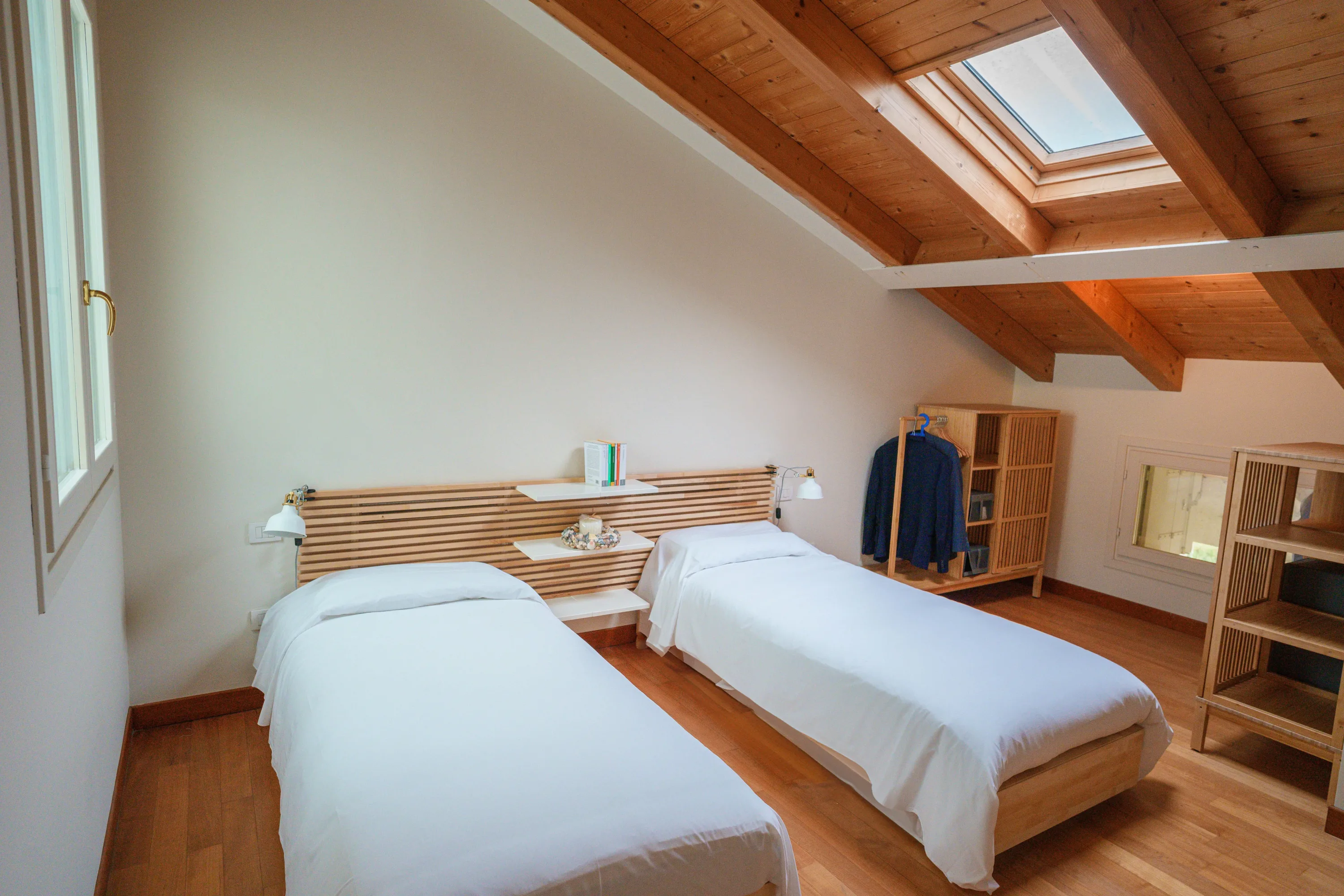
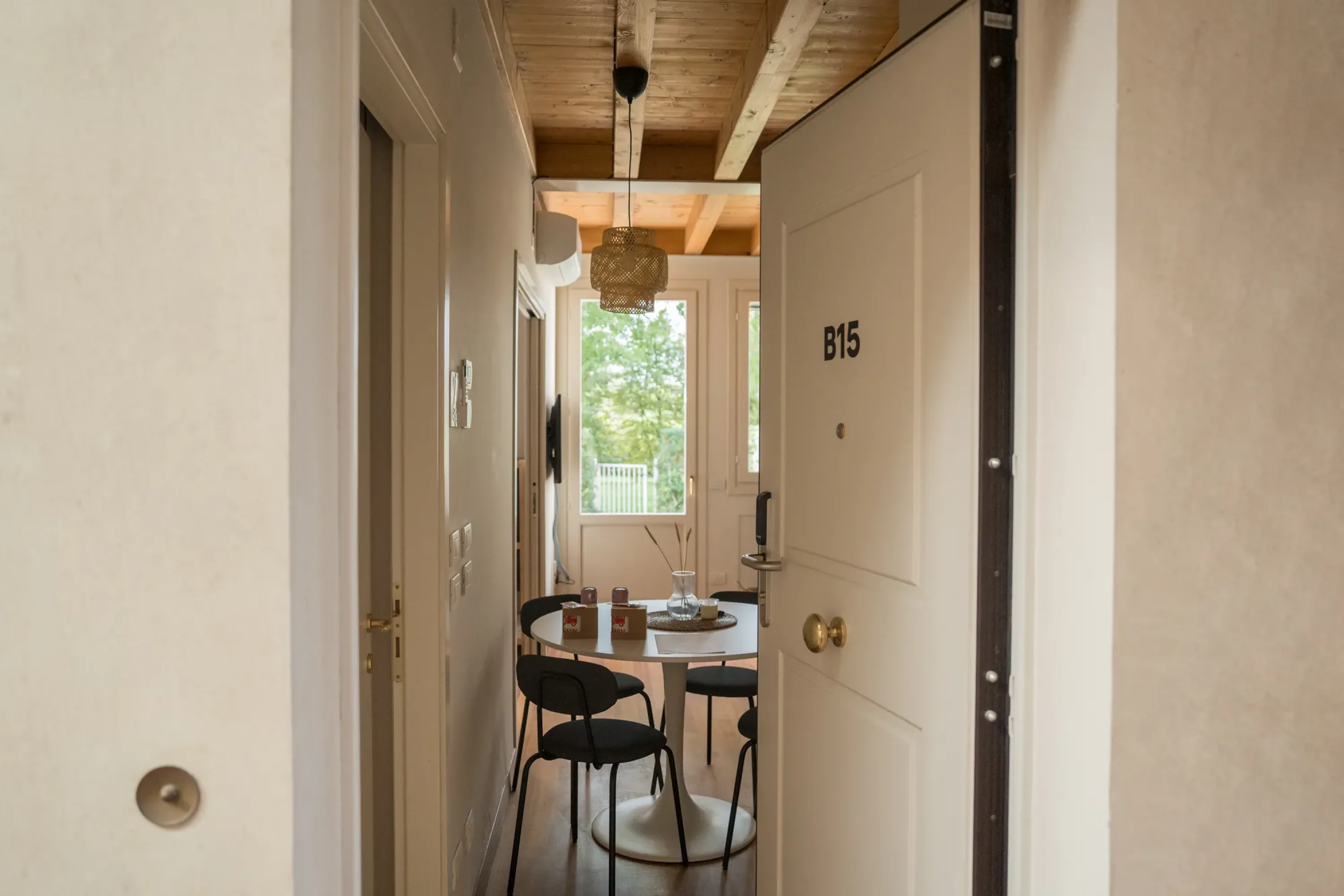
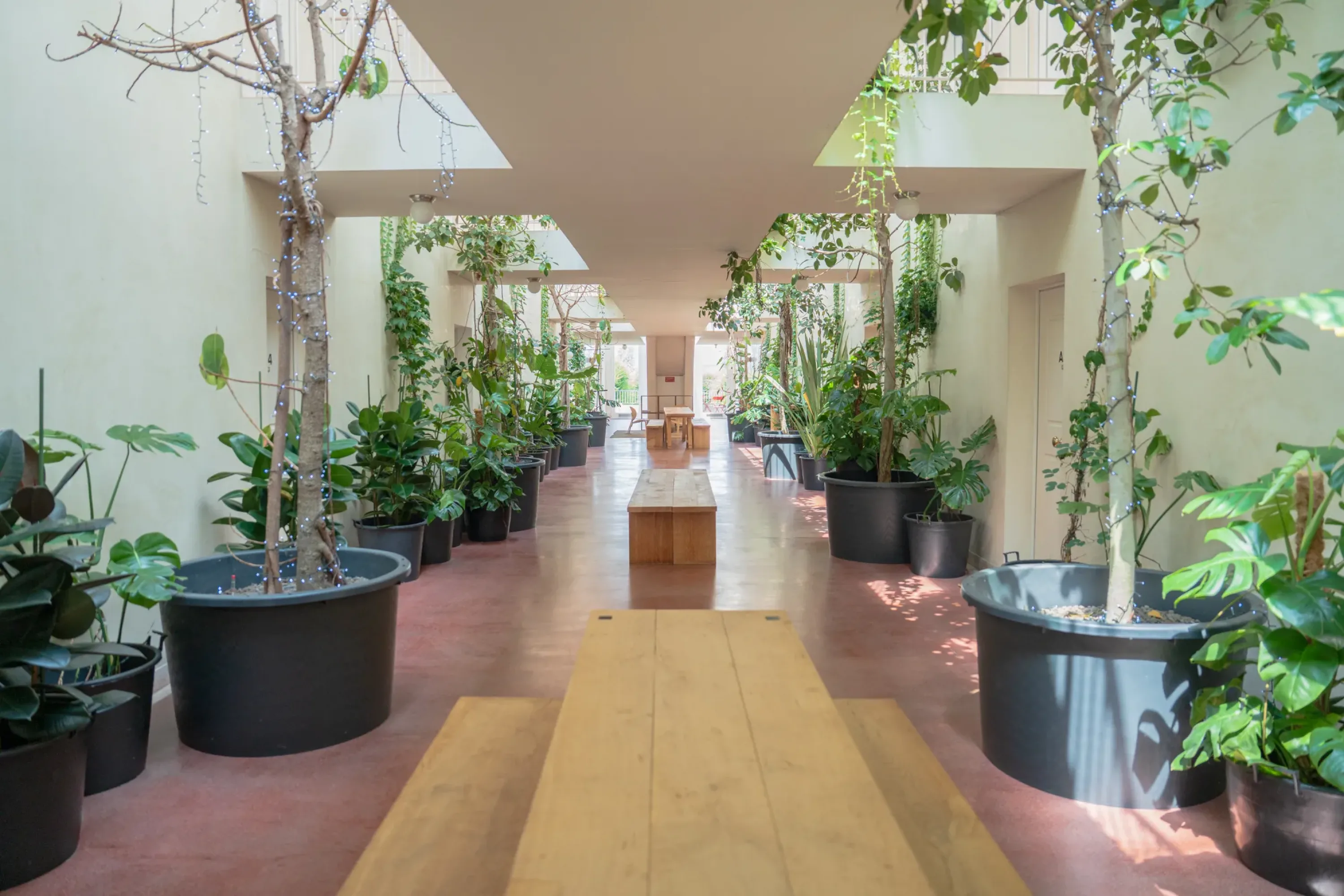
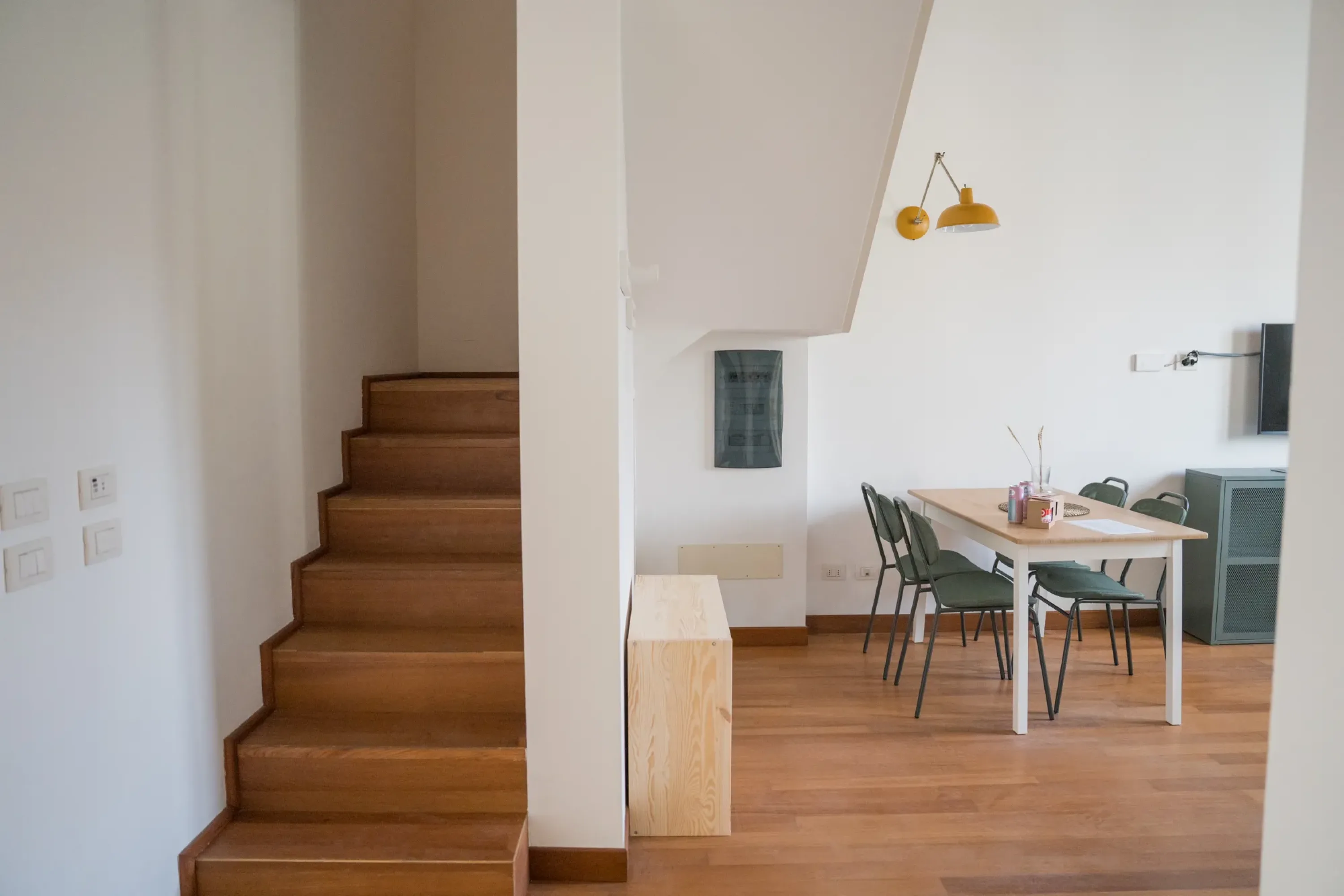
Located in the enchanting Venetian lagoon, Marina is a true oasis just a few minutes from the H-FARM Campus (2 km). Two recently renovated barchesse—once the main dock connecting Portegrandi to Venice—now house fully equipped apartments with all modern comforts.
Here, students can experience campus life in a dynamic and inspiring environment, sharing not only their studies but also their passions.
Have questions? Contact us or sign up now!











 Back
Back


