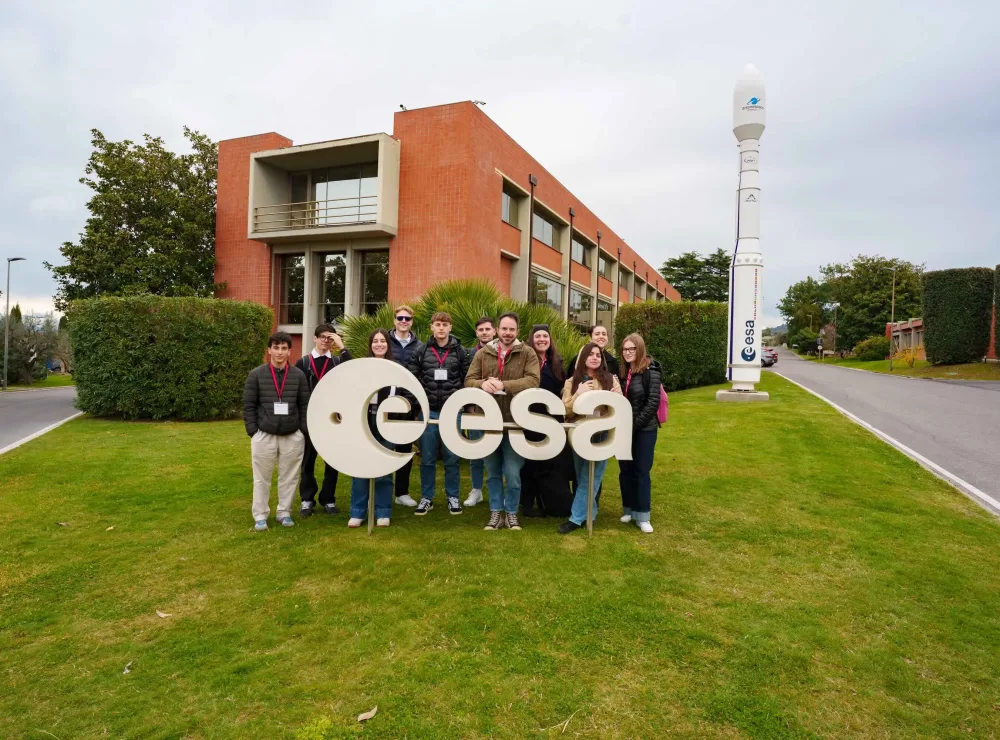
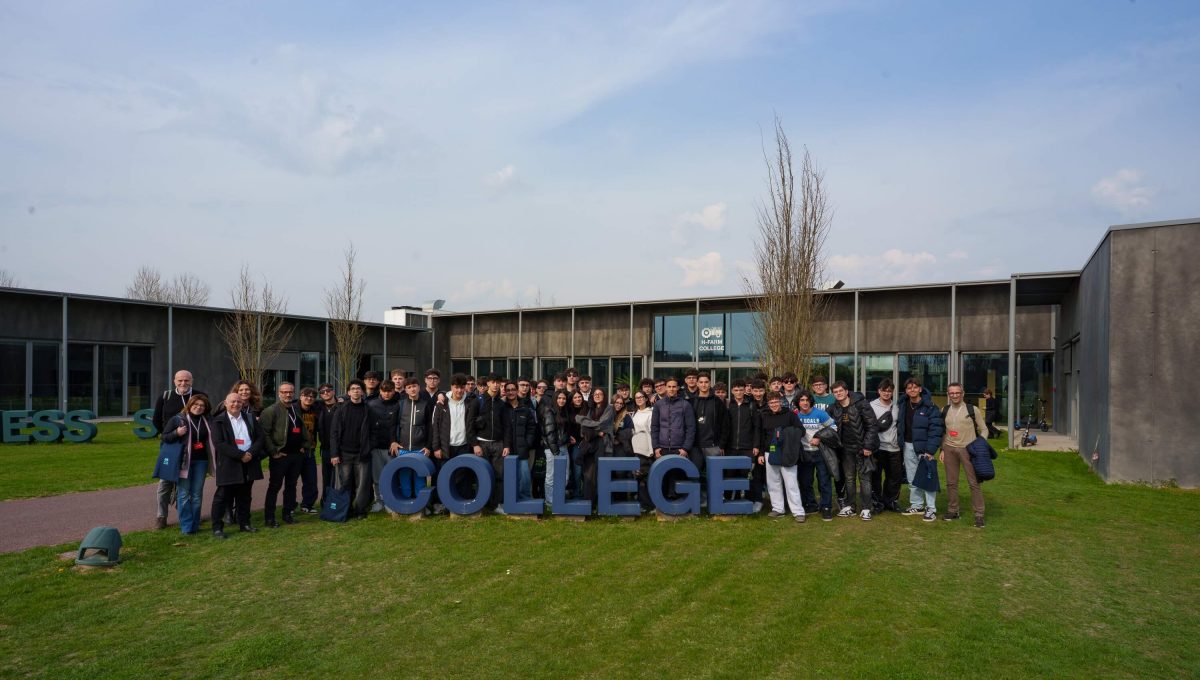
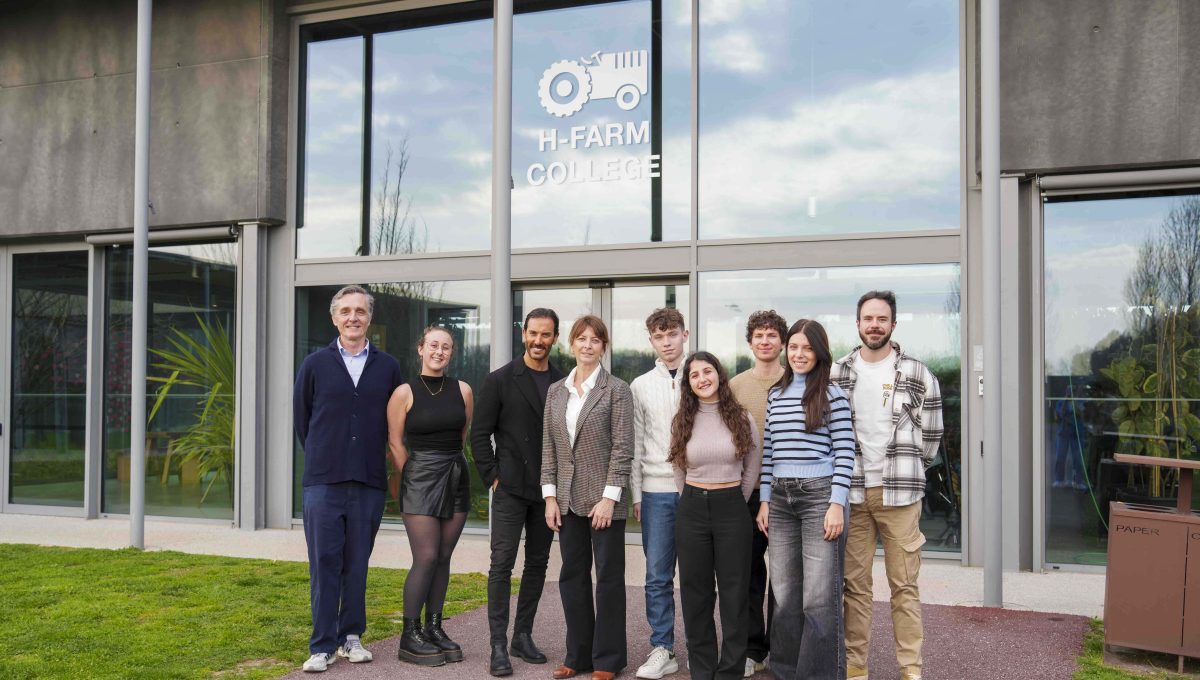
A group of H-FARM College students visiting the European Space Agency headquarters
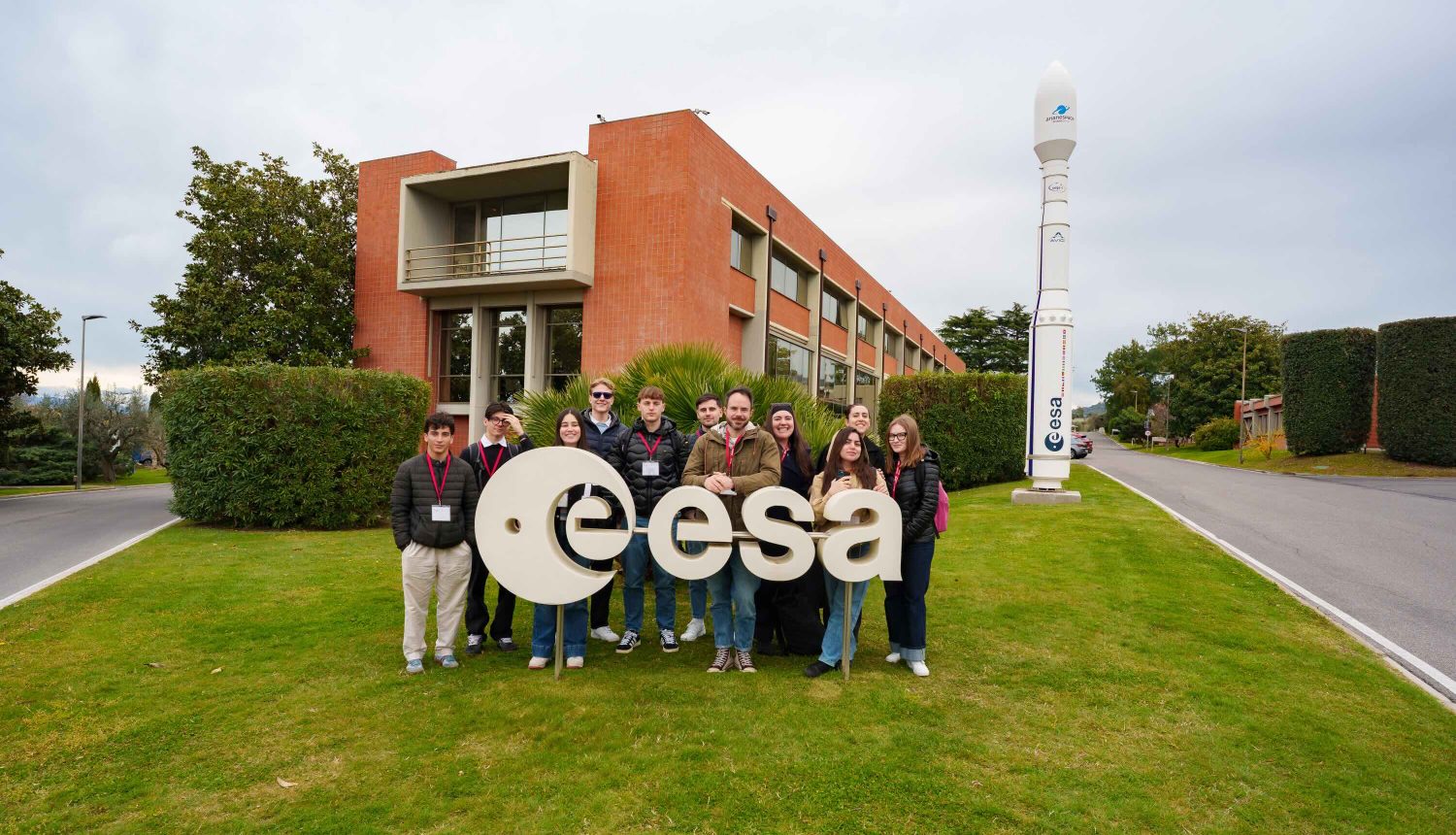
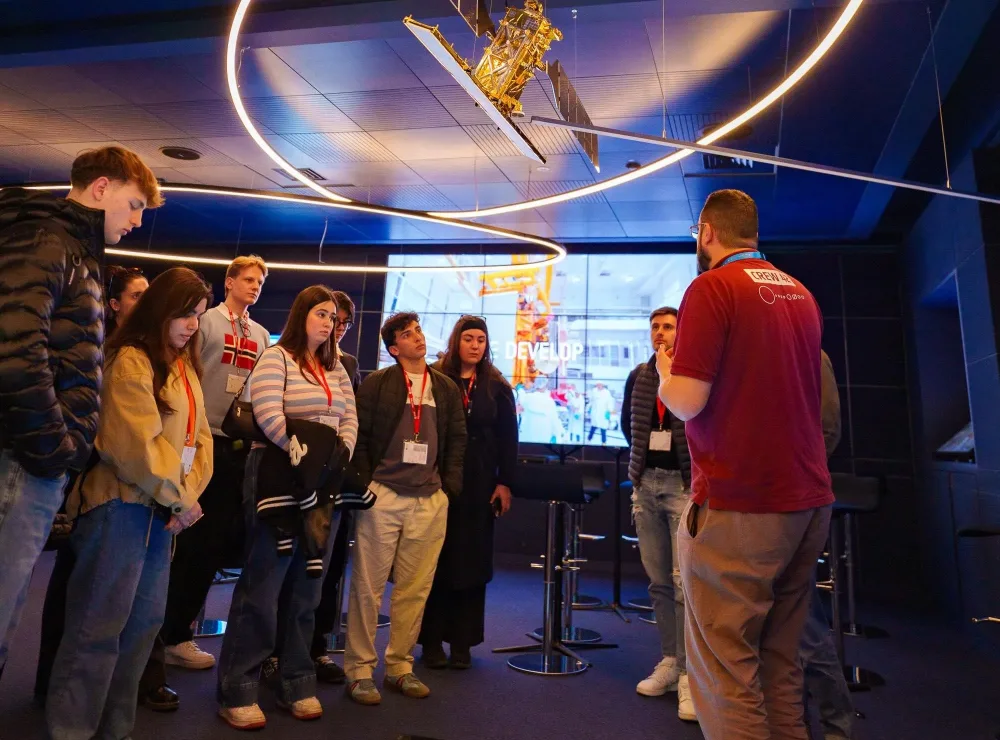
While Artemis II was capturing the world’s attention, drawing millions of eyes to the Moon, a group of H-FARM College students experienced something equally extraordinary… on Earth, but very close to space. On April 2, ten students visited the European Space Agency center in Frascati, stepping into the operational heart of European space research.
Federico Maso, Teo Clerici Jurado, Federico Filippini, Iacopo Prai, Diletta Bonato, Filippo Zanetti, Shimasadat Mirlohi, Eleonora Rizzetto, Riccardo Bernardello, and Maria Vittoria Coltri took part in a new H-Expedition, turning learning into hands-on experience with one of the leading players in European scientific innovation.
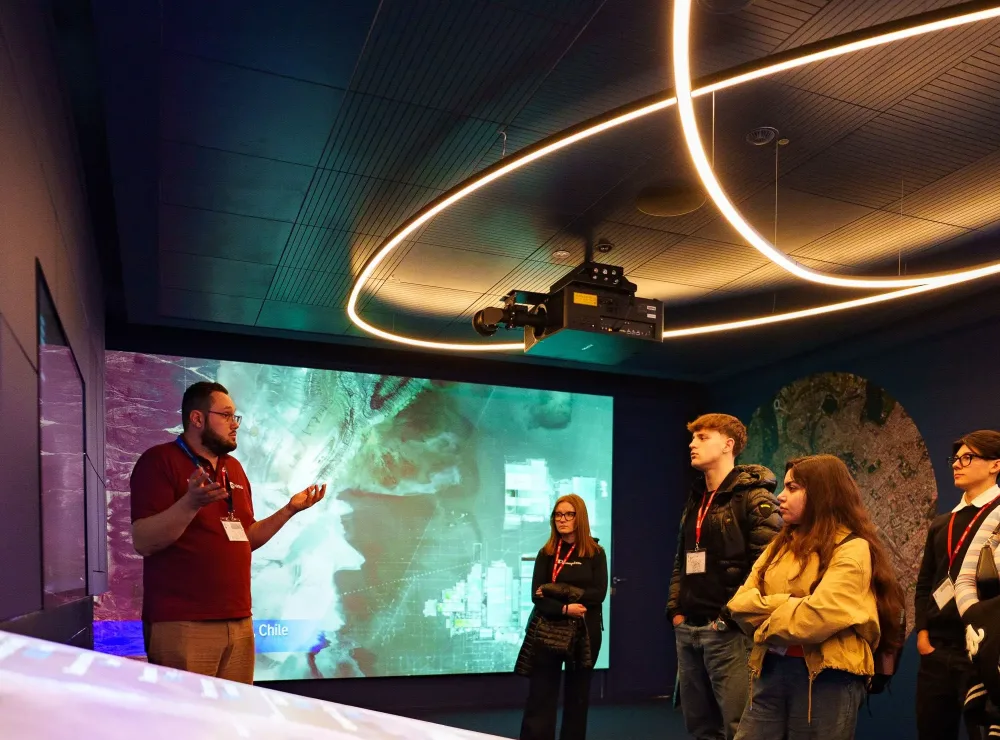
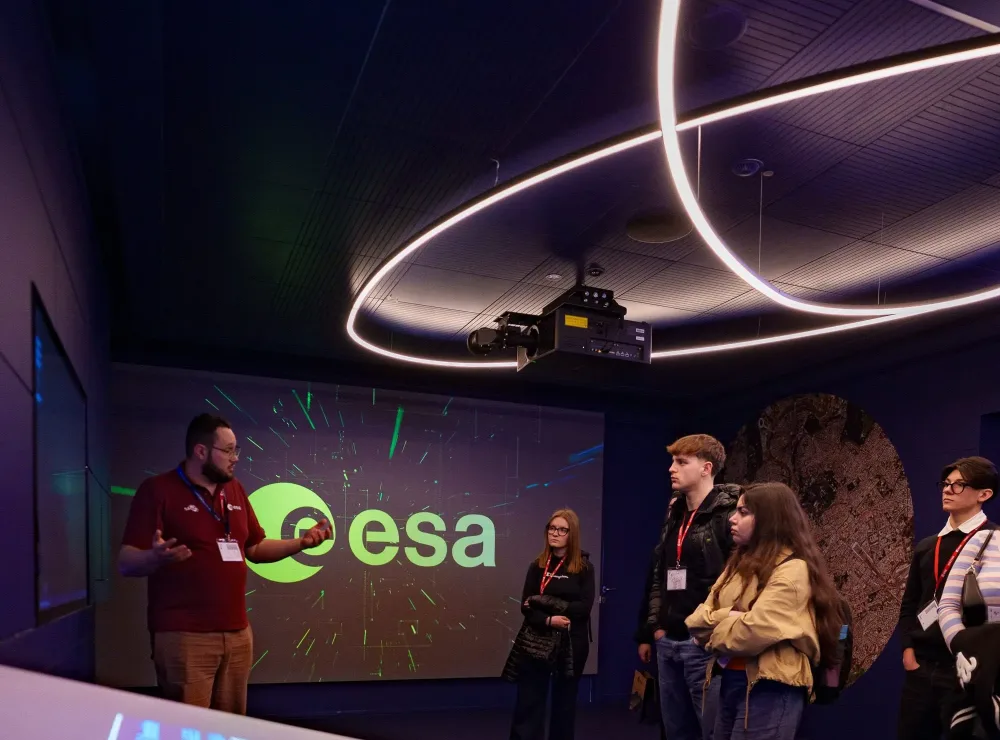
They were welcomed by Davide Coco, a space engineer engaged in science communication, who introduced the students to ESA’s activities. During the meeting, they explored the agency’s missions, strategic objectives, and career opportunities. They also delved into the topic of inclusivity in space, learning about John McFall, the first para-astronaut selected by ESA.
The morning offered figures and perspectives that made space feel more tangible. Students discovered that, on average, about sixteen astronauts orbit above our heads every day, and that a career as an astronaut can last up to thirty years, even while working on a single mission. They learned that ESA brings together twenty-two member countries, plus Canada as a partner, and that new lunar missions are already in the planning stages.
In the afternoon, the students immersed themselves in a building dedicated to interactive learning, exploring the secrets of rocket construction. They watched how a launch vehicle starts as a single unit and then separates into multiple stages during flight, culminating in the spectacular release of the satellite.
The visit continued with the mysteries of satellites, showing how they transmit data to Earth, monitor the planet, and help prevent extraordinary events such as asteroid impacts. Through videos and interactive installations, the students also saw a real meteorite fragment from the Sahara Desert, following its journey to Earth.
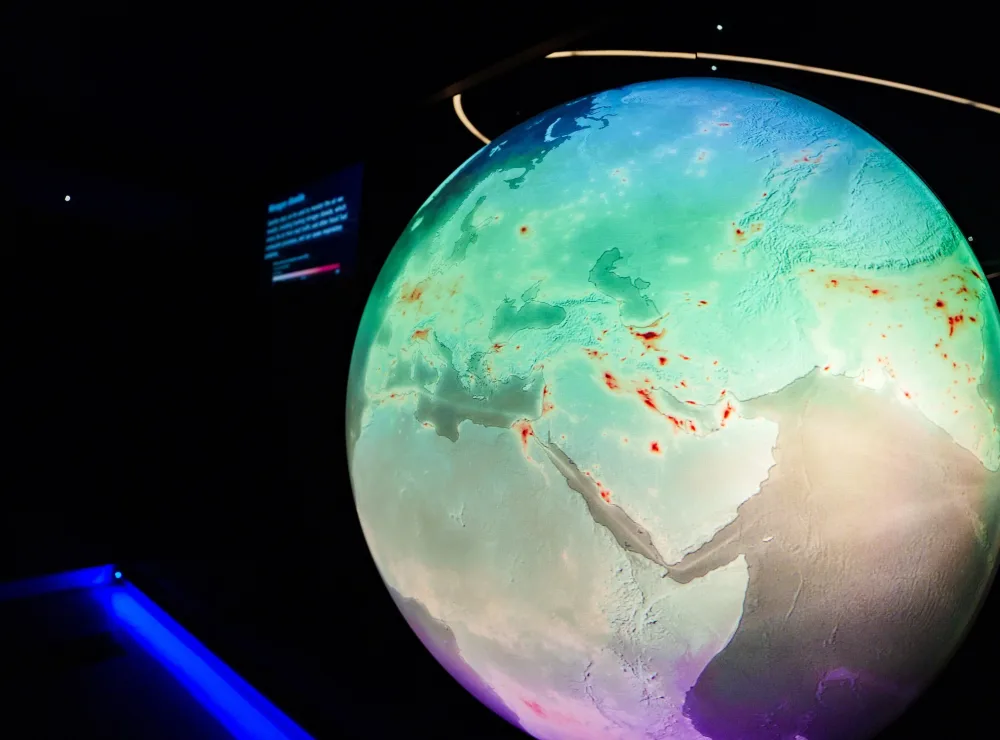
One of the most engaging moments was the rocket launch simulation. Students observed every phase of the mission up to orbital placement, virtually reaching speeds of around 27,000 kilometers per hour. Using a three-dimensional visualization of the planet, they examined climate change, the warming of the oceans, the impact of human activity, and global population distribution.
The experience concluded with a visit to ESA’s historical archives, where the students saw the evolution of space technology, from the first computers of the 1960s to today’s most advanced instruments.
This H-Expedition reminded them how hands-on experience and skills can open new perspectives and push us beyond our limits. 🚀



 Back
Back

