Code as Craft: An Interdisciplinary Journey with NYU Abu Dhabi students
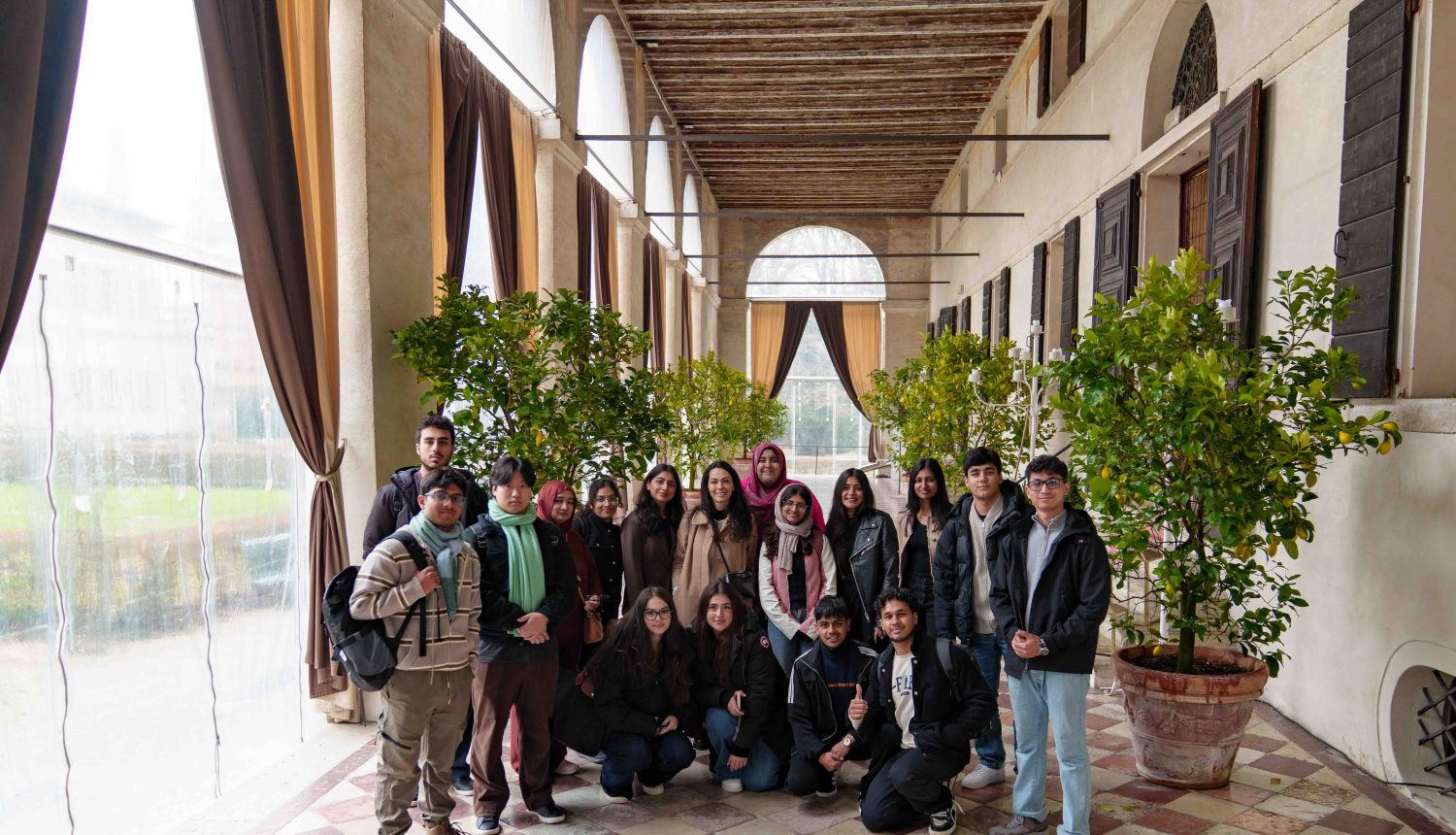
We recently hosted the course ‘Code as Craft’, designed specifically for New York University Abu Dhabi students as part of their J-Term curricula — an intensive academic experience aimed at fostering immersive learning beyond the traditional semester structure.
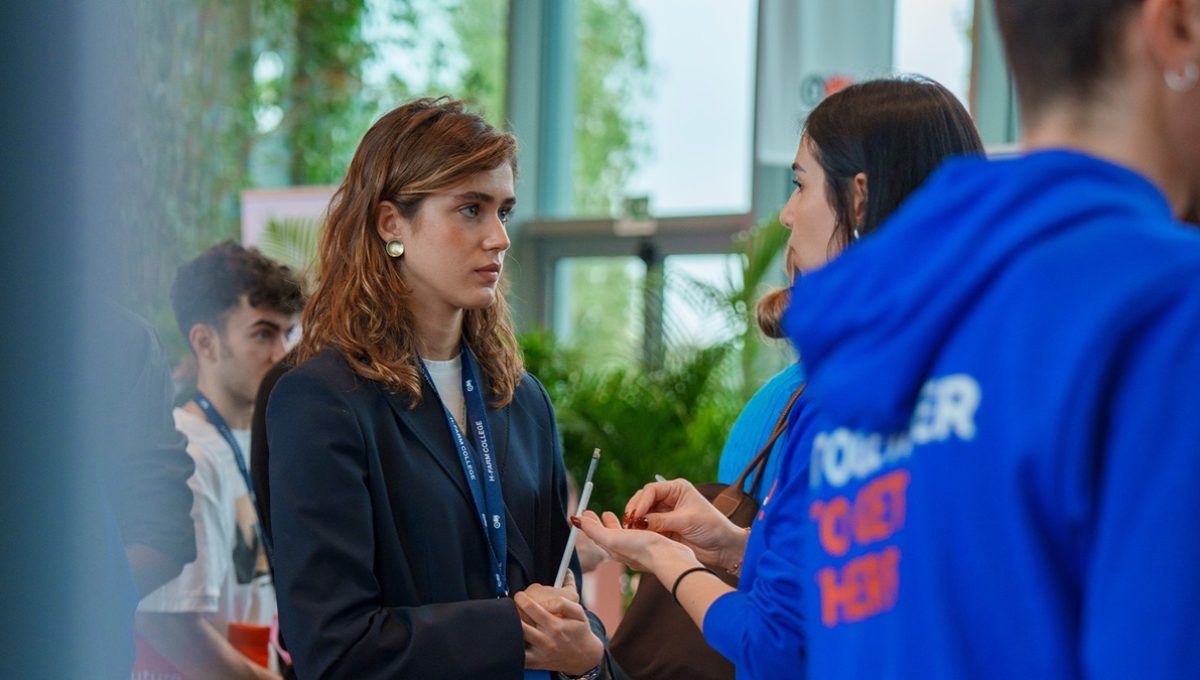
Students from different nationalities joined our community in a multidisciplinary program exploring the intersection of technology, creativity, and artisanal knowledge.
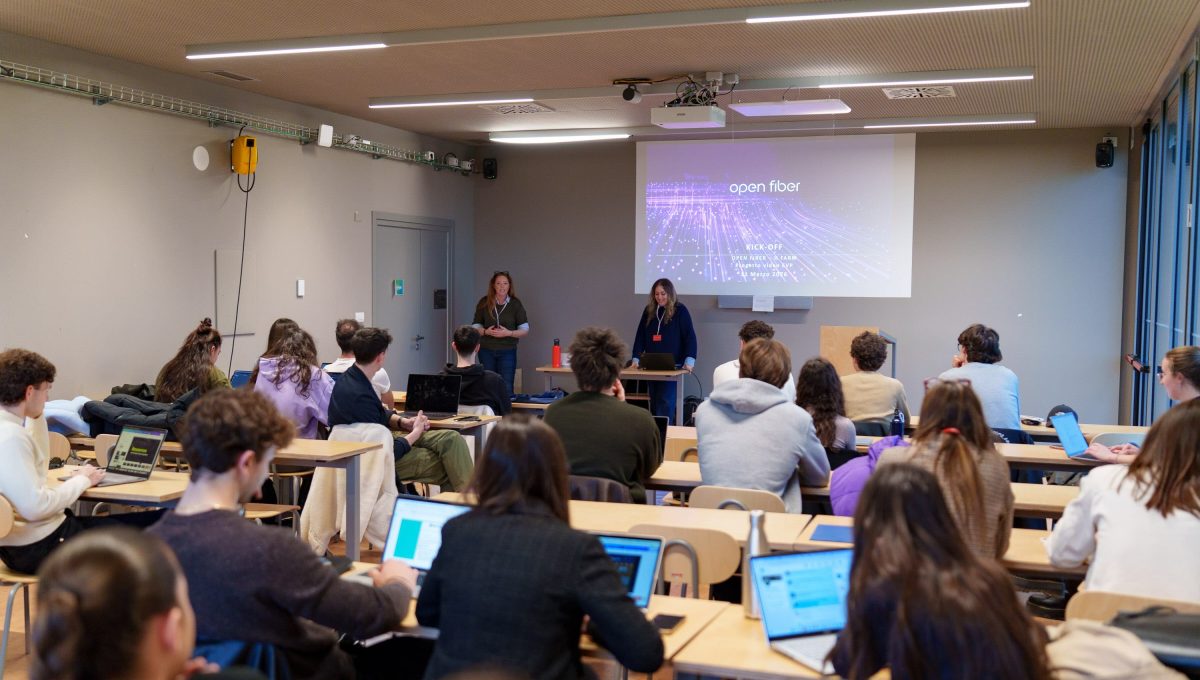
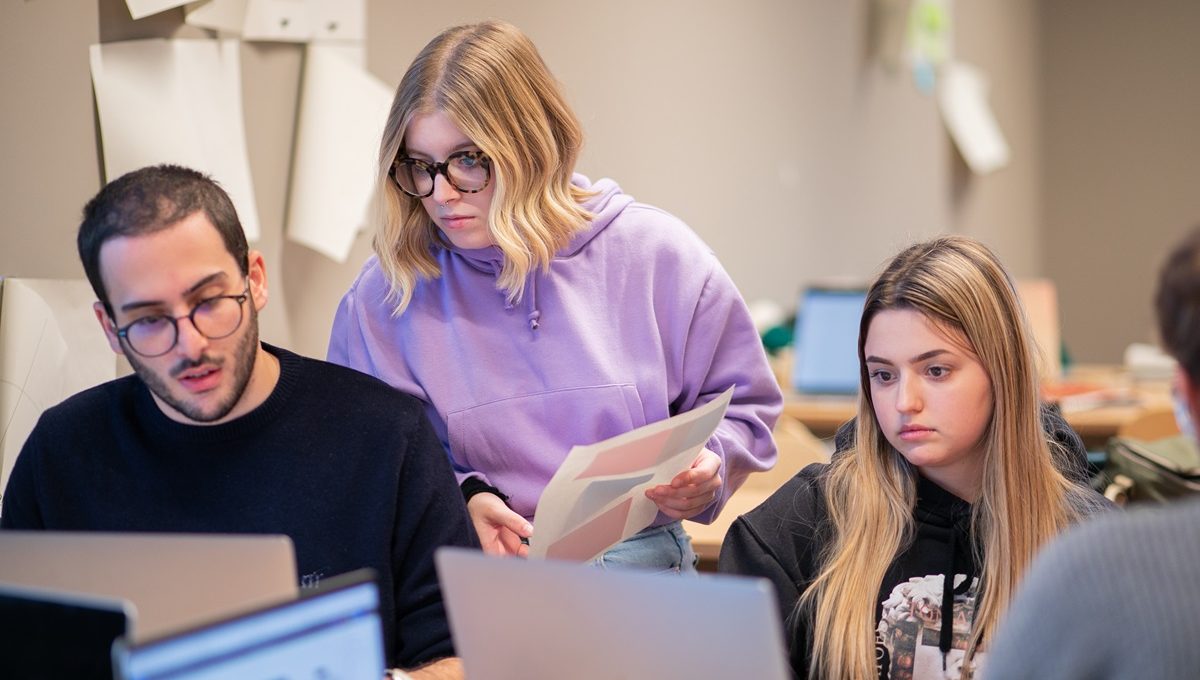
The J-Term combined classroom-based lectures, in-depth case studies, experiential labs, and a series of hands-on workshops led by creatives and industry professionals.
Lectures and sessions were led by Erisa Ibrahimi, a professor and 3D fashion designer, who explored the relationship between craftsmanship and technology with a critical and creative approach to the use of AI in cultural heritage and design; Michele Vello, a professor, graphic designer, and expert in costume history, who guided students through the history of costume, textiles, and European and Venetian fashion using materials, techniques, and visual culture; and Davide Bartolucci, CEO of SHADO, who presented an in-depth dedicated case study.
Among them, two workshops developed within the program: one in collaboration with Museo MA*GA and Missoni, and another one led by the AI and Analogic Artist Gianluca Traina.
Both workshops explored textiles as a language connecting art, design, and visual culture through a hands-on approach. Students worked directly with textile tools such as the loom, experimenting with materials and techniques while engaging with cultural heritage and contemporary creative practices.
The program was further enriched by company visits to local excellence, including Tessitura Bevilacqua, Artigiani Veneziani, and Sabrina Pandin Textile, offering students direct insight into real-world practices and contemporary applications at the intersection of craft, design, and technology.
Throughout the program, students also took part in cultural visits, including the Burano Lace Museum, the Fortuny Museum – Ca’ Rezzonico, Villa Foscarini Cornaro, and Villa Barbaro in Maser, deepening their understanding of Italy’s cultural and artistic heritage.
This experience created a space for meaningful international exchange, hands-on learning, and dialogue between tradition and innovation.
We are grateful to the faculty, partners, and students who contributed to making this program a truly collaborative and enriching experience — and we look forward to sharing many more like this in the future.




 Back
Back

