AI, design, and sustainable fashion: the third edition of the Summer Program with FIT New York comes to a close
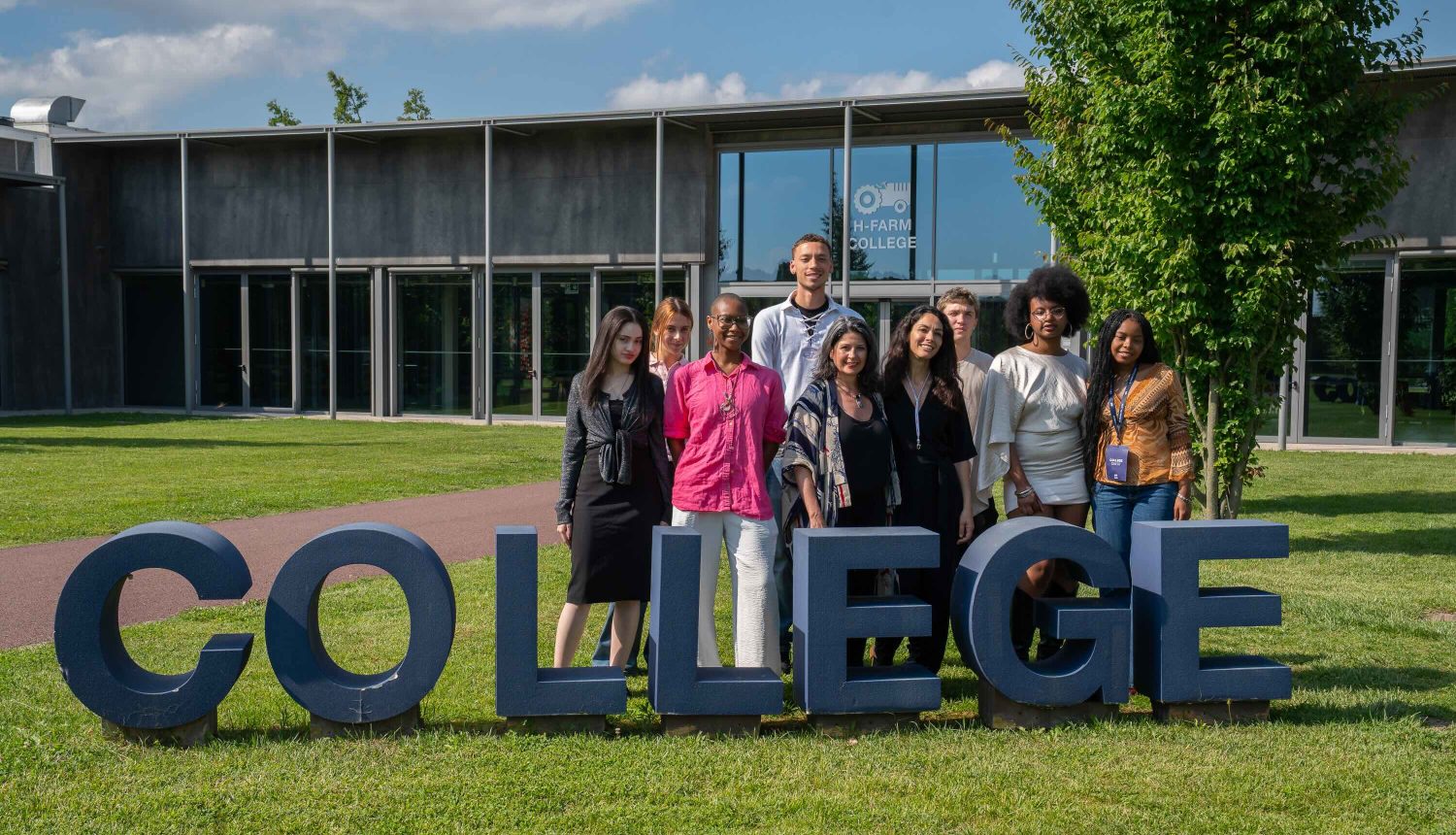
The third edition of the Summer Program born from the collaboration between H-FARM College and the Fashion Institute of Technology (FIT) in New York—one of the most internationally recognized academic institutions in the fields of fashion and design—has recently come to an end. FIT students were accompanied by Kathline Argiro, Adjunct Professor at the Fashion Institute of Technology.
From May 31 to June 5, a group of FIT students joined H-FARM Campus to work side by side with H-FARM College students, creating an international learning experience built on collaboration, shared design processes, and the exchange of diverse perspectives.
The program explored the frontiers of digital transformation within the fashion industry, combining artificial intelligence, design thinking, and more conscious production approaches. In this context, it became a true incubator of ideas, where the dialogue between heritage and technological innovation served as a catalyst for new design solutions.
The experience combined classroom learning with hands-on activities, including lectures, site visits, and project work. The Venetian territory played a central role throughout the journey, becoming an integral part of the learning experience. Visits to Palazzo Mocenigo and Palazzo Fortuny offered insights into the ongoing dialogue between costume history, textile culture, and innovation, demonstrating how the past continues to influence the language of contemporary design.
The program then moved into a more practical dimension through a workshop led by Sabrina Pandin, where students worked directly on looms and experienced the value of craftsmanship firsthand, engaging closely with traditional production techniques.
To further enrich the experience, a collaboration with D-Air Lab immersed students in a real-world innovation challenge focused on personal protective equipment. The brief included the analysis of iconic products such as Workair, FutureAge, D-One, and the 7506 line developed for Antarctica, culminating in the redesign of the D-air Jacket for urban and sports cyclists.
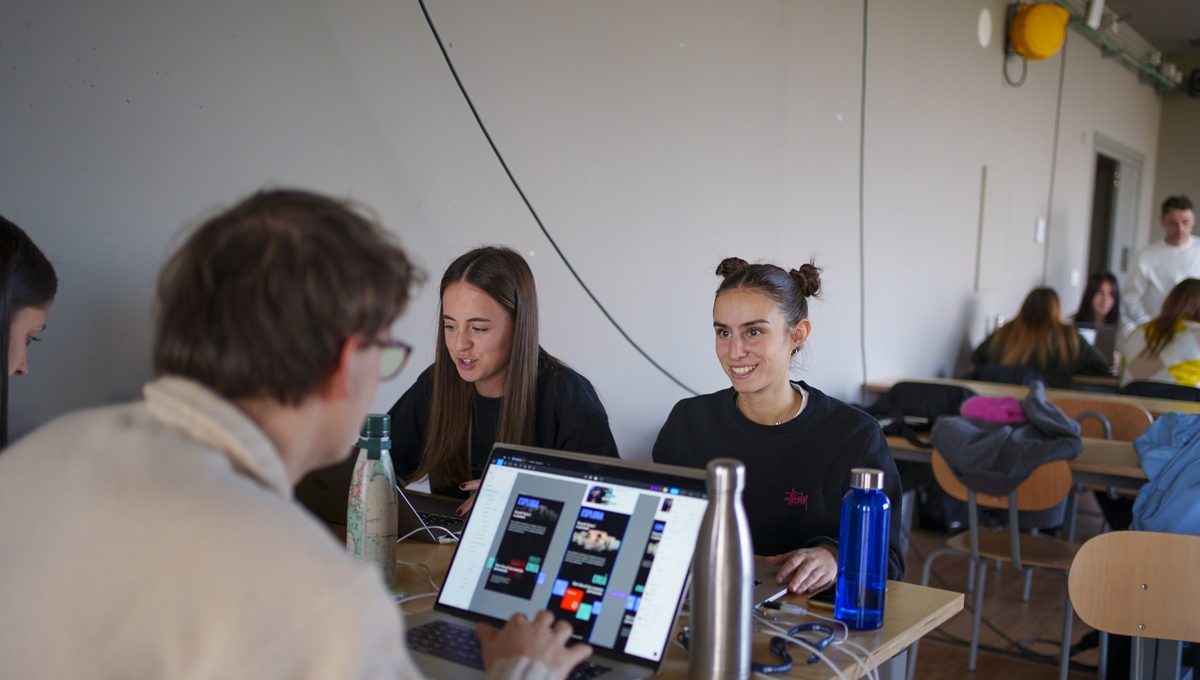
The project unfolded through multiple layers of analysis, from functionality and safety assessments to benchmarking brands capable of combining technical performance with aesthetics. Students also identified target rider profiles and developed mood boards guided by aesthetics, functionality, and sustainability. Under the guidance of Erisa Ibrahimi, Scientific Director of the Fashion Area at H-FARM College, participants leveraged generative AI tools and digital platforms including Design Beyond Studio, Miro, Krea.ai, Canva, and Flora.ai to transform research insights into tangible concepts.
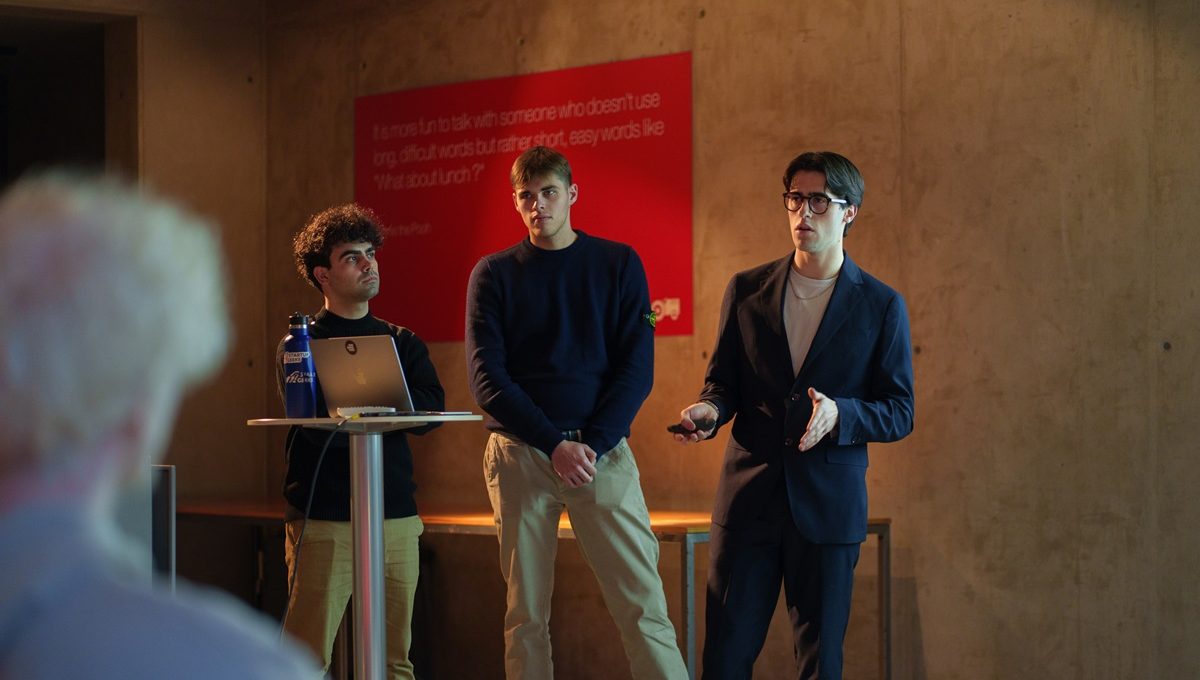
Working as small design studios, the teams alternated between research, analysis, and creative development. The program concluded with final presentations to the D-Air Lab team, turning students’ work into a meaningful exchange with industry professionals and allowing participants to experience the full design process—from ideation to validation.
“It was a very enriching and educational experience. Working with FIT students and collaborating with people from such diverse backgrounds allowed us to challenge ourselves and discover new approaches to design. The companies we visited were extremely interesting, particularly D-Air Lab and the project related to textiles and weaving. Developing a proposal for D-Air gave us the opportunity to work on a real-world challenge and apply creativity and teamwork in a highly stimulating and international environment,” shared Maria, an H-FARM College student who took part in the program.




 Back
Back

