Data Mining: how data reveals value and opportunities in the digital world

Imagine having a superpower: seeing what others don’t notice. In the chaos of millions of posts, likes, searches and purchases, you’re able to uncover hidden patterns, invisible signals, clues that tell you what’s coming next.
This superpower already exists. It’s called Data Mining, and it’s one of the most in-demand capabilities in today’s digital world. The best part? You can start learning how to use it right now.
Data Mining has become one of the most strategic skills of our time. In a world where we produce more data than we can even imagine, those who can interpret it can guide decisions, develop innovations and bring real value to any organisation. And if it sounds complex or distant, in reality it’s much closer to your everyday life than you think: every time you see a recommendation on Netflix, a personalised playlist on Spotify or a suggested product on an e-commerce site, there is someone (or rather, something) extracting value from data.
In this article, you’ll discover what Data Mining really is, how it works, which techniques it uses, why it’s so crucial for businesses and how you can turn it into a digital career, especially if you study in an ecosystem like H-FARM College, where technology, innovation and experimentation are at the heart of education.
What is data mining and how does it work
Data Mining is first and foremost a process: taking massive amounts of information, often chaotic, disorganised and hard to read, and transforming them into insights that have real value. It’s not magic, but it’s not just pure mathematics either. It’s a structured method made of techniques, models and reasoning that turn the “noise” of raw data into concrete knowledge capable of guiding smart decisions.
Imagine an endless ocean of numbers, clicks, words, images, movements, preferences. When you look at it from above, it may seem like an indistinguishable mass where nothing stands out. Without a clear direction, all of this remains just a huge, mostly useless archive. Data Mining exists precisely for this: to dive beneath the surface, explore what can’t be seen at first glance and detect hidden patterns, unexpected correlations and connections that reveal how people behave or how a market is moving.
To do this, it uses sophisticated algorithms, statistical techniques, machine learning models and digital tools capable of processing volumes of data that a human being could not even observe. This is how something that once looked random becomes comprehensible and, above all, strategic.
The entire process is based on a series of essential phases: collecting data, cleaning them, organising them, analysing them and finally interpreting them. It’s only in this last step that the work truly takes shape, because understanding what the data reveal means being able to make faster, more informed and more strategic decisions. In a world that moves at digital speed, this ability is one of the most valuable skills you can develop.
From data analysis to the discovery of hidden patterns
The real strength of Data Mining isn’t just analysing what has already happened, but uncovering hidden patterns no one had noticed before. It’s in this transition that the process becomes truly powerful, almost like turning a mass of numbers into a lens capable of revealing what normally remains invisible. Patterns are not just sequences of repeating data: they are behaviours, preferences and signals that show how people move across the digital world.
Every click, every choice, every micro-action leaves a trace. On its own, it may seem insignificant, but when thousands of these traces begin to align, they form a story. And it’s thanks to data mining that this story becomes readable: it helps you understand what customers actually like, which products are growing, which campaigns are working and why, or which services are underperforming. These are all essential aspects for anyone aiming to work in digital marketing, where decisions can no longer rely on intuition alone but must be grounded in solid analysis. We also explore this in depth in our article on Data Driven Marketing, which shows how data guide strategic choices today.
A pattern can reveal that users with similar interests often buy specific products together, that a piece of content explodes in engagement only during certain hours of the day, or that a particular online behaviour anticipates an upcoming trend. It’s like observing a hidden storyline unfolding beneath the surface, a digital narrative shaped by millions of interactions that, when read with the right mindset, become a tool to predict the future.
Concrete examples of data mining in business and marketing
To truly understand the value of Data Mining, it’s enough to look at how it’s used every day across different industries.
In marketing, it enables brands to build more precise user segments, so they can speak to the right people with more relevant messages and better-performing campaigns. On social media, it helps identify the content that drives the most engagement and the dynamics that push users to interact. In e-commerce, it’s the invisible engine behind personalised recommendations that make shopping experiences smoother and more intuitive.
In the broader business world, Data Mining supports major decisions: from launching a new product to evaluating entry into a market, from optimising resources to reducing costs. Sectors like finance, healthcare and logistics rely on it to detect anomalies, prevent fraud, improve operational flows and make complex processes more efficient.
Across all these contexts, the same principle emerges: the real power doesn’t lie in the data themselves, but in the ability to interpret them and turn them into clear, strategic choices. That’s what makes Data Mining one of the most valuable tools for building a solid career in the digital world.
The main data mining techniques and tools
There are several techniques used to analyse data and identify meaningful patterns. Each serves a different purpose and, together, they form the toolbox every Data Mining professional must master to navigate the world of data with confidence.
One of the most common techniques is classification, which groups similar elements based on shared characteristics, the foundation of many recommendation systems and predictive models. Cluster analysis, on the other hand, works without predefined categories: it lets the data “speak”, revealing natural groupings and behaviours no one had anticipated.
Then there are regression techniques, useful for predicting future values, and association rules, which identify connections between different actions and are responsible for suggestions like “customers who bought this item also bought…”.
All of this is enhanced by increasingly advanced tools: statistical analysis software, cloud platforms capable of processing enormous datasets, programming languages like Python, R, SQL, and visual tools such as Tableau or Power BI. Modern machine learning libraries also make it possible to automate highly complex processes, making analysis faster and more accurate.
But Data Mining isn’t only about technical skills. It also requires interpretation, critical thinking, the ability to look beyond the numbers and connect what emerges to the real needs of people and organisations. This is what differentiates someone who simply analyses data from someone who can turn them into strategic decisions.
At H-FARM College, we’re ready to help you build the foundation of your career in the world of data. If you want to understand how to develop these skills and integrate them into your professional path, get in touch with us!
Data mining and artificial intelligence: a strategic combination
In recent years, Data Mining and Artificial Intelligence have started moving like two complementary forces, creating a combination that is transforming how companies make decisions and design digital services. They are not separate worlds: they feed into each other. AI brings models capable of analysing massive volumes of data with a speed and depth impossible for a human; Data Mining provides the essential raw material to make those models work: clean, structured and meaningful data.
Artificial Intelligence learns from data and improves over time, but without a strong foundation it cannot evolve. It’s Data Mining that determines which information truly matters, identifies useful patterns and provides the context from which AI can extract knowledge. In other words, Data Mining prepares the ground, and AI builds predictive models, intelligent automations and tools that support increasingly complex decisions.
This relationship is essential when discussing the future of work and the skills required in the digital world, as we explain in our article on the impact of AI on the world of work. AI is everywhere: in marketing, digital products, customer service, design. And those who can interpret data and master Data Mining techniques already have a huge advantage, because they can feed intelligent models with exactly what they need.
The result is an ecosystem where Data Mining and AI complete each other: one organises and interprets, the other amplifies and accelerates. This synergy is precisely what makes their connection so strategic for anyone wanting to work in today’s and tomorrow’s digital landscape.
How machine learning and automation enhance data analysis
Machine learning has become a natural extension of Data Mining. Algorithms no longer follow rigid rules: they learn from data, recognise increasingly complex patterns, refine predictions and detect anomalies often invisible to the human eye. Over time, they evolve independently, becoming more precise and capable of supporting critical decisions. Thanks to automation, analyses that once required days or weeks can now be completed in minutes.
But this doesn’t mean professionals are becoming obsolete. Quite the opposite: the faster technology moves, the more we need people who can interpret results, understand context, avoid missteps and give strategic direction to decisions. Machines execute, but people give meaning. Human value lies in connecting what emerges from models to the real needs of businesses, users and markets, identifying which decisions to take and which scenarios hold the most potential.
In this sense, technology doesn’t replace human work, it amplifies it. It frees up time for more advanced, creative and strategic activities, leaving repetitive or technical tasks to algorithms. This evolution makes working in Data Mining even more interesting and full of opportunities for those who want to grow as digital professionals.
How to build a career in data mining with H-FARM College
Data Mining isn’t just a technical skill: it’s a privileged gateway to the future of the digital world. Companies, from startups to multinational corporations, increasingly need people capable of turning numbers into knowledge, detecting hidden signals and making data-guided decisions. And whether you’re moving toward marketing, finance, consulting, technology or dreaming of building your own startup, Data Mining can become one of your most powerful accelerators.
So the question is: how do you really begin this journey?
To build a career in Data Mining, you’ll need technical skills, of course, but also critical thinking, curiosity, and the ability to interpret and communicate what you discover. You’ll have to learn how to use advanced tools, understand how algorithms work, read complex datasets, and most importantly get hands-on with real projects. That’s where you start to see how all of this turns into real value.
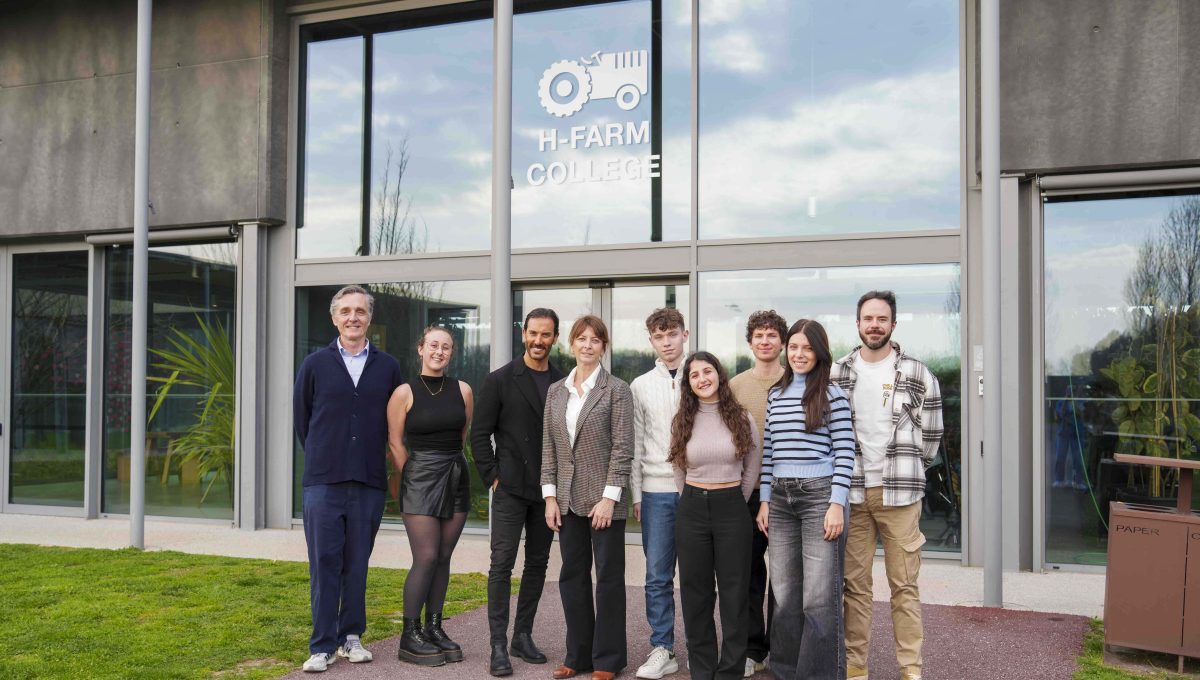
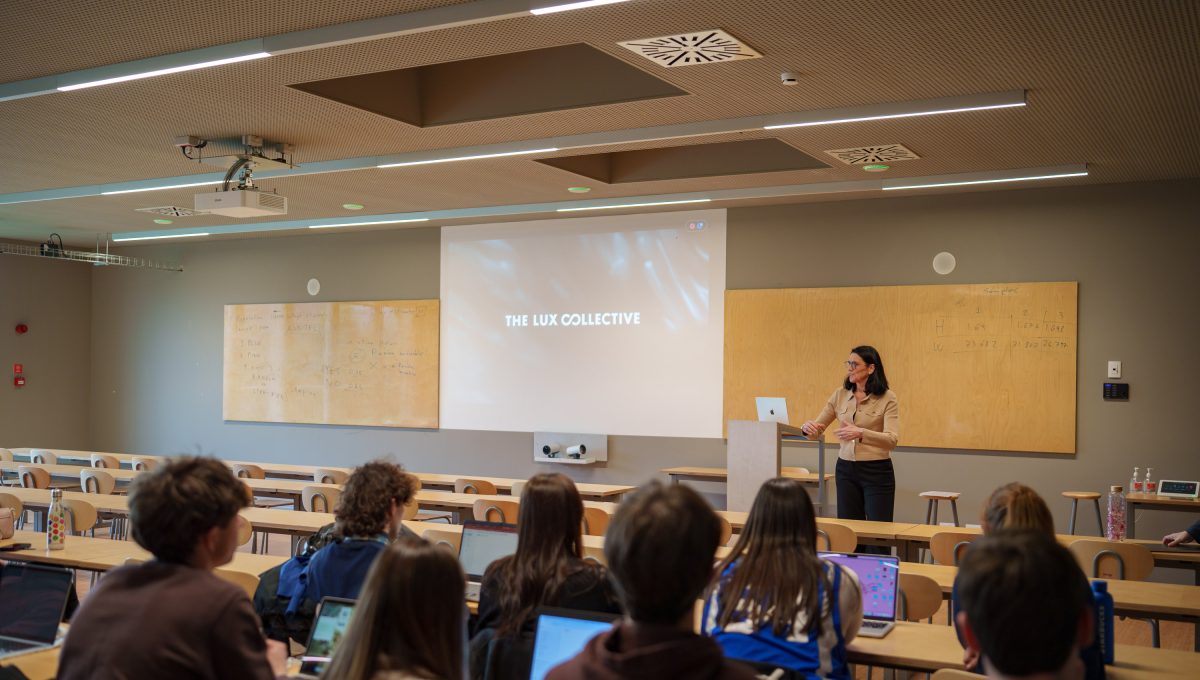
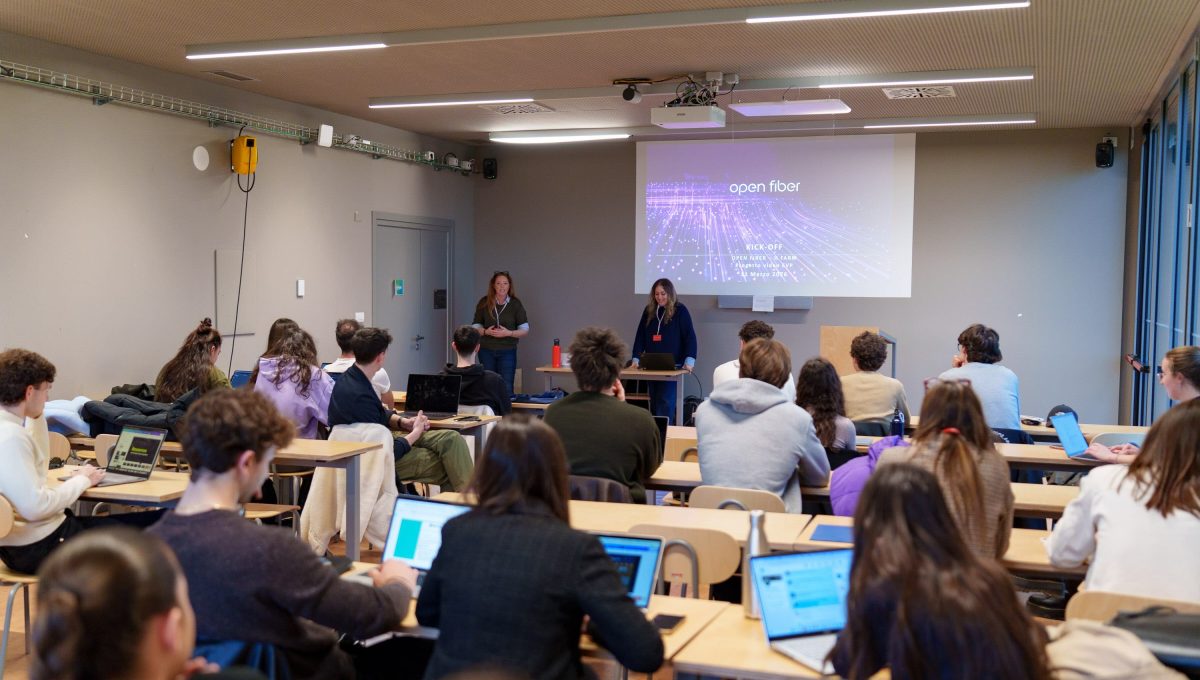
And this is exactly where a place like H-FARM College can make a huge difference for you. Studying in an international campus immersed in technology, digital innovation and experimentation means having access to modern tools, advanced labs, practical workshops and projects developed in collaboration with professionals and real companies. It means growing alongside students from different backgrounds who share the same desire to experiment, create, make mistakes and try again.
In such a dynamic ecosystem, Data Mining doesn’t remain a theoretical concept read in a textbook: it becomes a real experience. You analyse real datasets, build predictive models, experiment with machine learning techniques and learn how to communicate your results clearly and effectively. If you’re interested in developing advanced skills in data analysis applied to marketing, you can explore our Master Degree in Digital Marketing & Data Analytics, a programme designed for students who want to turn data into a strategic tool and build a solid career in Data Mining and digital professions.
If the digital world excites you, if you’re curious about the stories data can tell and if you love the idea of using technology to make smarter decisions, Data Mining can become your gateway to the future. And with the right path, that future can begin much sooner than you think.
If you want to understand which step is best for you, contact the H-FARM College team! We’re here to help you build your journey into the world of data and innovation.



FAQ


It’s the process of extracting useful information and hidden patterns from large datasets using algorithms and analytical tools.
Because it helps companies make better decisions, predict future trends, and personalize marketing and business strategies.
They include classification, clustering, regression, and association — each used to analyze and interpret data in different ways.
Yes, it’s widely used in healthcare, education, research, and even sports to improve performance and uncover insights.
Through the Master Degree in Digital Marketing & Data Analytics, where you’ll learn how to transform data into value with real-world projects and advanced tools.






 Back
Back

