What is Cloud Computing: meaning, how it works and real-world applications

Think about it for a second: how many times a day do you open a file on Google Drive, watch a show on Netflix, or listen to music on Spotify? All of this happens thanks to cloud computing, even if we rarely notice it. It’s the technology that has transformed how we store, share, and experience data, making it accessible anywhere, anytime, from any connected device.
The meaning of cloud computing literally translates to “computing in the cloud.” It’s a vast network of remote servers that delivers storage, processing power, and applications over the internet, without you needing to physically own the hardware.
In this article you’ll discover how cloud computing works, its main advantages, real-world applications and the career opportunities for anyone who wants to work in this sector.
Cloud Computing meaning and main advantages
Cloud Computing has completely redefined what we mean by “technology.” With it, you simply access what you need, when you need it, paying only for what you use.
But the greatest advantage isn’t just economic — it’s freedom. Freedom to collaborate from anywhere, to work in global teams, to innovate without physical limits.
The main advantages of cloud computing
- Cost reduction: no investment in physical servers, you pay only for what you use
- Scalability: resources scale up or down in minutes based on your needs
- Accessibility: data and apps available from any connected device
- Collaboration: distributed teams work on the same files in real time
- Security: automated backups and advanced security protocols managed by the provider
That’s why the cloud is the engine of digital transformation. From e-commerce apps to artificial intelligence, every innovation today runs through a cloud infrastructure. And with this revolution, demand grows for roles like the Cloud Engineer, the Data Scientist and the Cloud Architect.
Even roles like the Digital Manager and professionals in AI & Data Science work daily on cloud infrastructures — making these skills indispensable in almost every digital role.
How Cloud Computing works: models and uses
Cloud Computing lets you save documents, photos and software not on your computer, but in a virtual space that’s always available. It’s the foundation on which modern applications are built — from social networks to digital banks and streaming platforms.
The three cloud models
- Public cloud: shared services managed by providers like AWS, Azure or Google Cloud
- Private cloud: dedicated to a single organisation, with greater control and security
- Hybrid cloud: a combination of the two, balancing flexibility and data protection
The leading global cloud providers are Amazon Web Services (AWS), Microsoft Azure and Google Cloud Platform. AWS is the most widely adopted; Azure is preferred within the Microsoft ecosystem; Google Cloud stands out for AI and data analytics.
Practical examples of Cloud Computing in daily life and business
Cloud Computing is part of everyone’s daily life: Netflix and Spotify stream content via the cloud. Google Drive and iCloud store files remotely. CRMs like Salesforce manage customer data without local servers.
In business, the cloud lets startups grow without investing in infrastructure. Large companies use it for predictive analytics, collaborative development and real-time process optimisation. In the world of innovative startups, the cloud is often the first infrastructure on which a product is built, dramatically lowering entry barriers.
Becoming a Cloud Specialist: skills and career opportunities
The role of the cloud specialist is today one of the most in-demand in the digital market. They design, manage and optimise cloud infrastructures, ensuring efficiency, security and continuous operations.
Skills required to become a Cloud Specialist
- Technical skills: networking, cybersecurity, IT architectures
- Cloud platforms: AWS (Solutions Architect certification), Microsoft Azure, Google Cloud
- DevOps tools: Docker, Kubernetes, Terraform, CI/CD pipelines
- Programming: Python, Bash scripting, IaC (Infrastructure as Code)
- Soft skills: problem solving, systems thinking, communication with business teams
This is where the digital mindset comes in: the ability to connect technology with business goals. Read our article on how to develop a digital mindset for success to understand why it’s an essential soft skill in tech.
Even professionals working in different fields — such as digital finance and stablecoins — rely on cloud infrastructures to manage data and transactions. Cloud skills are now cross-functional in every digital sector.
Studying Cloud Computing with H-FARM College
To become a real cloud specialist you need more than curiosity: you need solid training that combines technical expertise, strategic vision and an entrepreneurial mindset.
That’s what H-FARM College offers: a place where theory meets practice, and where the cloud isn’t just studied but experienced every day.
Our Bachelor’s Degree in Software & Cloud Architecture with AI prepares you to understand and manage these technologies through a hands-on, future-focused approach.
If your interest leans more towards data and artificial intelligence, the Bachelor’s Degree in AI & Data Science is the ideal path to master cloud technologies applied to machine learning and advanced analytics.
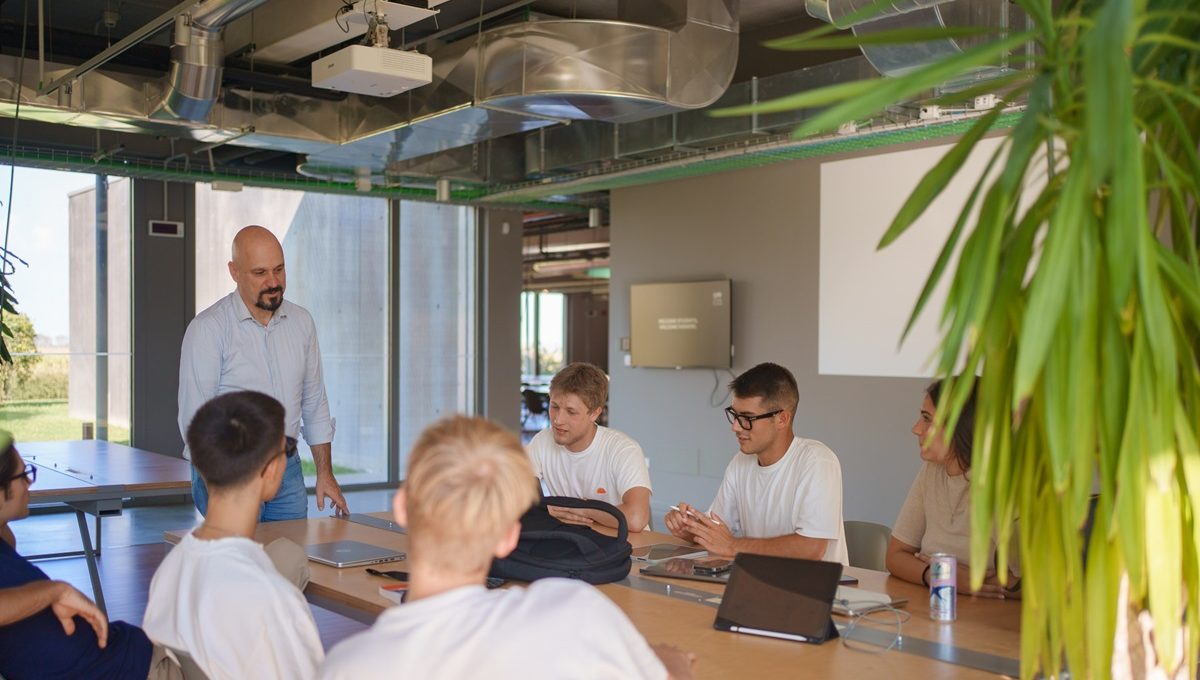
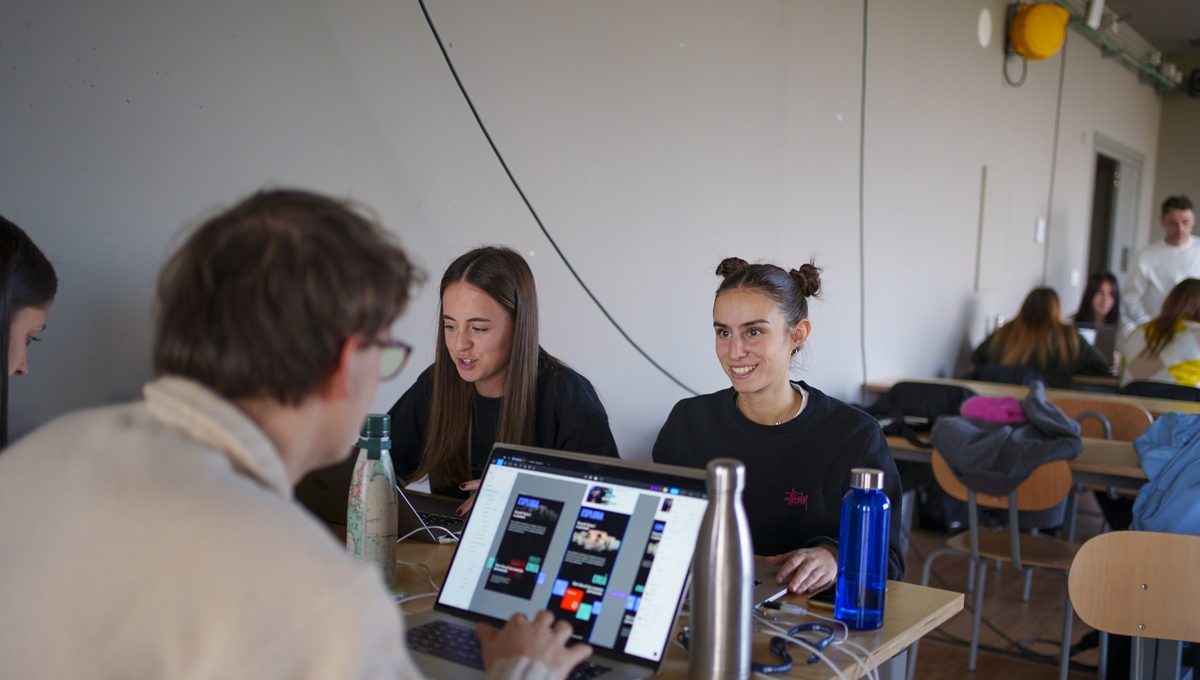
At the H-FARM Campus, immersed in an ecosystem of technology, creativity and entrepreneurship, you’ll learn the technical fundamentals and how to apply them to real projects. You’ll work closely with companies, develop cross-functional skills and build the international, digital mindset that today’s job market demands.
Studying Cloud Computing means joining a revolution reshaping how we live, work and innovate. And if this world is yours too, H-FARM College is the right place to start building your career in the cloud.
Life on Campus: much more than a degree programme
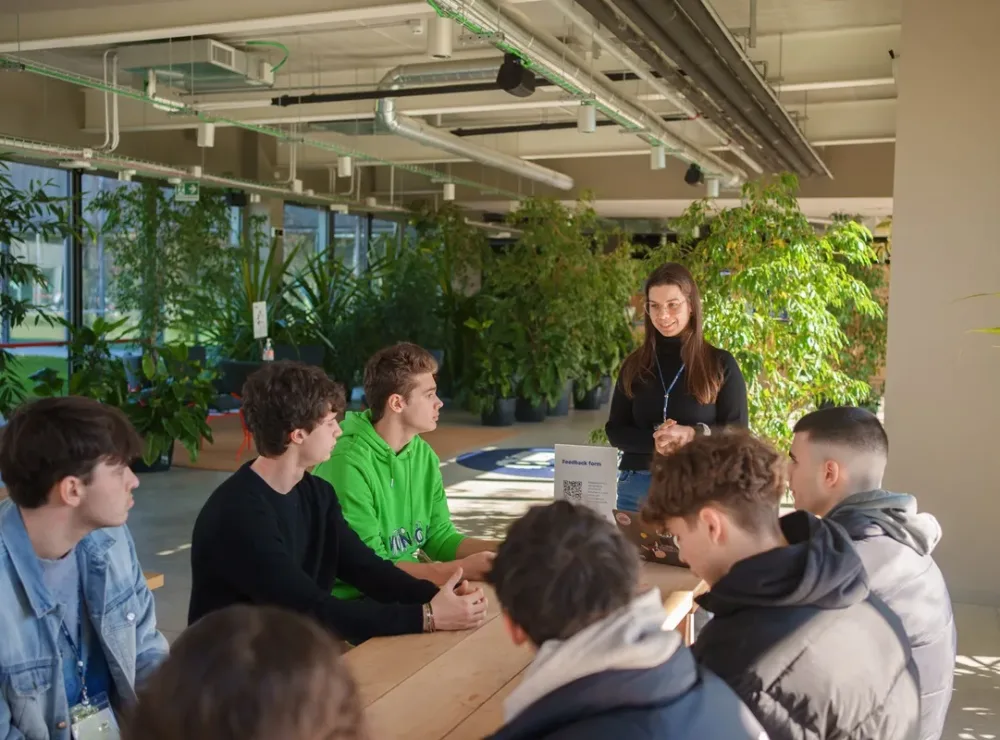
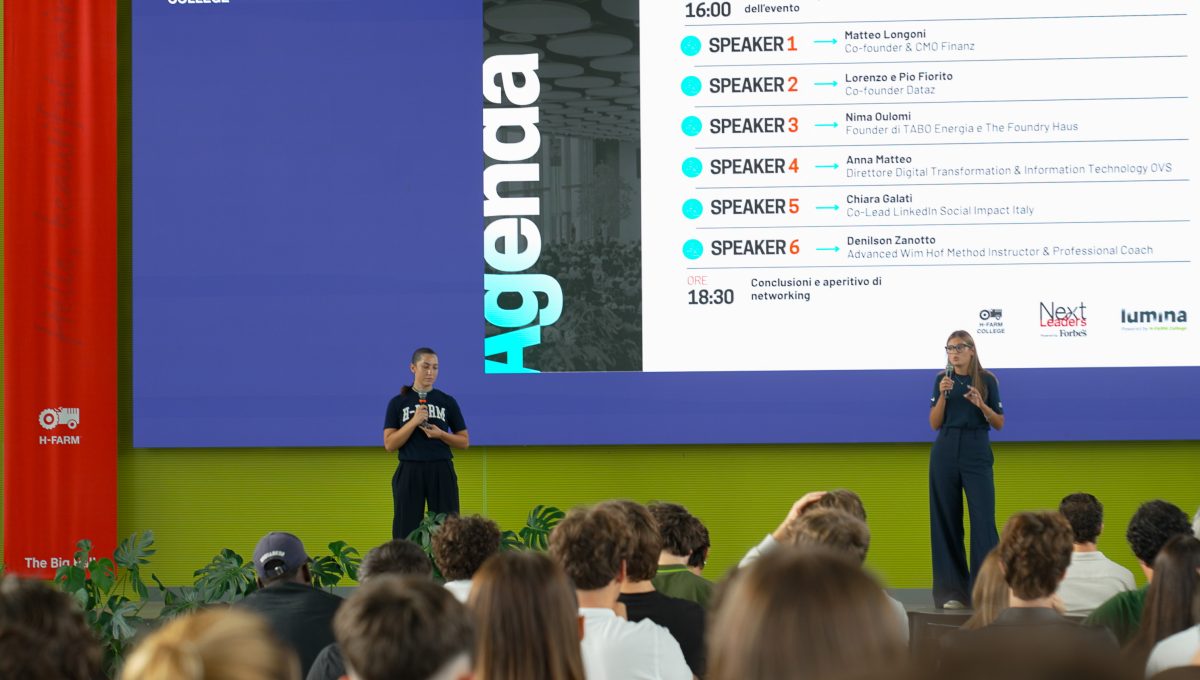
Studying at H-FARM College isn’t just about attending lectures. The campus hosts students from all over the world, startups, tech events and a Student Life packed with clubs, activities and chances to build your network.
Want to see the campus first-hand? Book a visit or join the next Open Day: it’s the best way to see if H-FARM College is the right place for you.
Have questions about the programme? Contact us and we’ll help you find the path that best fits your goals.



FAQ


Cloud computing is a model for delivering IT services over the internet: storage, computing power and applications without owning physical hardware. Remote servers manage the data, making it accessible from any connected device.
Cost reduction, instant scalability, accessibility from any device and real-time collaboration between distributed teams. With cloud computing you don’t need upfront hardware investments: you pay only for what you use.
Public cloud is shared and managed by providers like AWS; private cloud is dedicated to a single organisation; hybrid cloud combines both to balance flexibility and security. The choice depends on compliance requirements and the type of data being handled.
Technical skills in networking, cybersecurity and IT architectures; knowledge of platforms like AWS, Azure and Google Cloud; DevOps tools like Docker and Kubernetes. The ideal cloud specialist combines technical depth with strategic business vision.
Yes: cloud platforms use encryption, multi-factor authentication and redundant backups. Security is, however, a shared responsibility between provider and organisation: proper access management and policies are essential.






 Back
Back

