H-Expedition at the Biennale: a day at the Arsenale, in minor keys
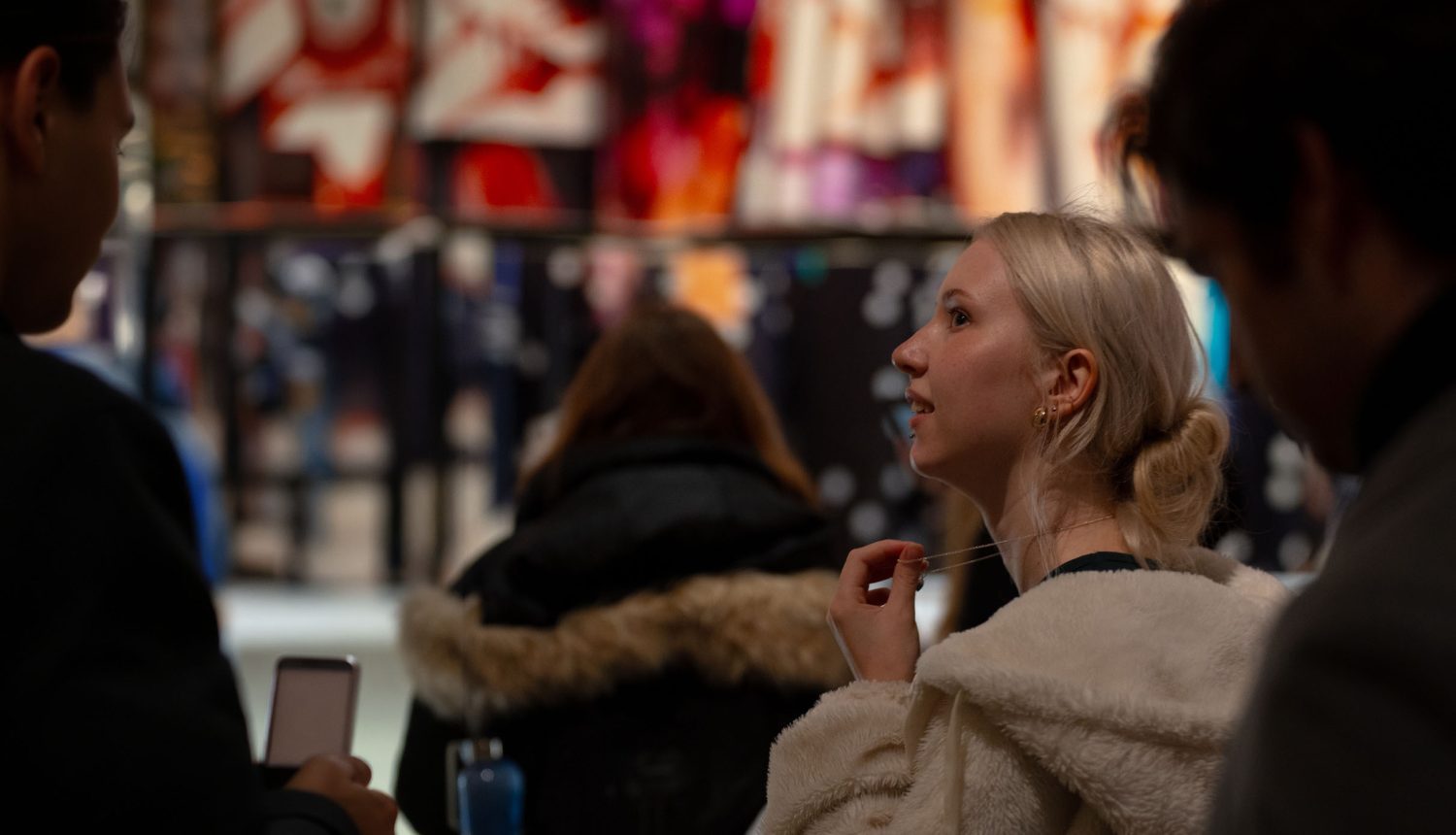
On Friday, November 13, H-FARM College students, together with the BigRock students, spent a day of field research at the 61st International Art Exhibition in Venice. The finale? A workshop on how an artwork communicates in physical space, and what is left of it once it ends up on a screen.
Not a typical museum visit, but a day as researchers. That was the idea behind our latest H-Expedition, which took our students to the Arsenale in Venice, the main venue of Biennale Arte 2026, In Minor Keys.
Before the Arsenale, the city
We met at 8:30 on the steps of Venezia Santa Lucia station. From there, everyone set off together on foot: about four kilometers through calli, campi and bridges to the Arsenale. A way to slow down and reset our eyes before entering the exhibition.
In Minor Keys: a Biennale you listen to
The title was chosen by Koyo Kouoh, the first African woman to curate the Biennale Arte, who passed away in May 2025. Her team brought the exhibition to life in keeping with her vision: instead of the encyclopedic structure of traditional pavilions, it works like a score in a minor key, intimate and choral, built on the resonances between 111 artists from around the world.
The students focused on three design elements:
- The exhibition design by Wolff Architects, which does away with the classic white walls: the space is marked by large indigo drapes that act as thresholds, both physical and emotional, inviting visitors to move as part of a collective procession.
- The visual identity by Clarissa Herbst and Alex Sonderegger, inspired by komorebi, the Japanese word for sunlight filtering through leaves. An invitation to observe how natural and artificial light shape the atmosphere of the halls.
- The Applied Arts Pavilion by Gala Porras-Kim, in collaboration with the V&A in London: a reflection on how museums classify, preserve and often “neutralize” ritual and everyday objects, turning them into archive records. A perfect case study on taxonomy, authorship and data provenance: what happens to an object when it is torn from its context and placed in a database?
In the field, like an Art Director
The morning was devoted to free exploration of the Corderie, the Artiglierie and the Applied Arts Pavilion, with one clear brief: no front-facing “postcard” shots. Each student chose one or two installations and documented them the way an Art Director would during research, gathering material across four sensory channels:
- Material: close-up details of surfaces, textures, raw or time-worn materials.
- Light: beams falling on the work, shadows on the floor, reflections, shifts between darkness and half-light.
- Sound: short ambient recordings or notes on the soundscape, from the echo of the halls to visitors’ footsteps.
- Space: the scale of the work in relation to the human body, the thresholds crossed to reach it, the flow of people around it.
All of it strictly through the human eye: smartphones and cameras, no AI-generated images, in line with the approach of our Master’s program.
The “Four Channels” workshop
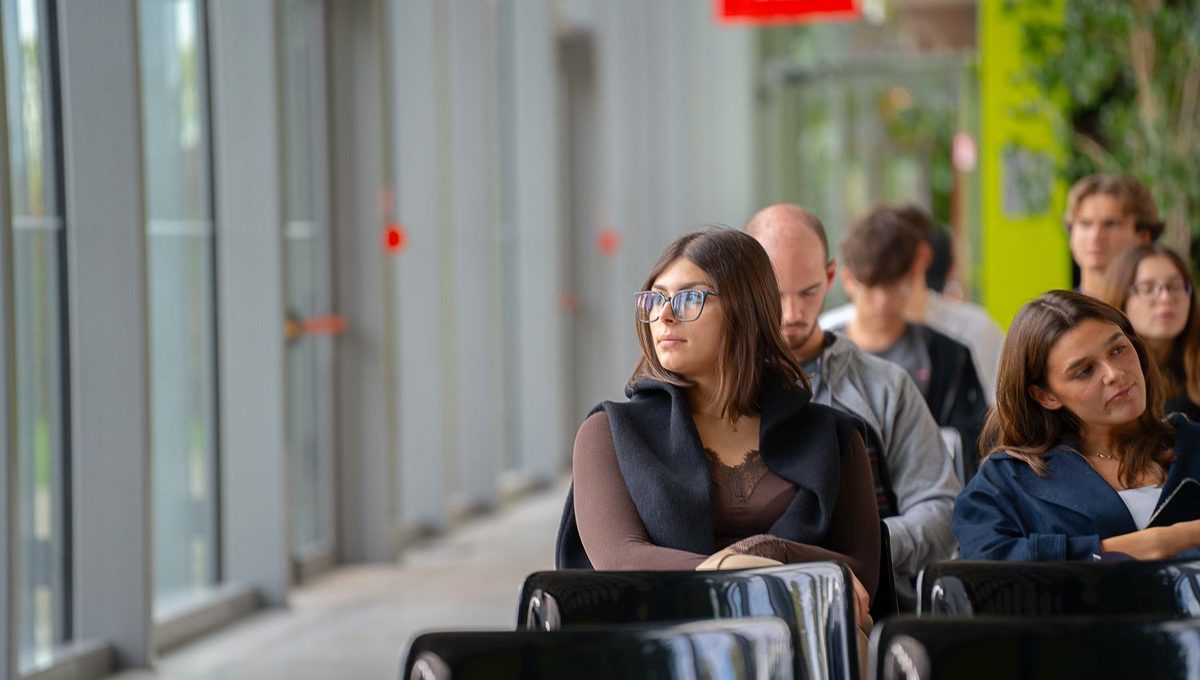
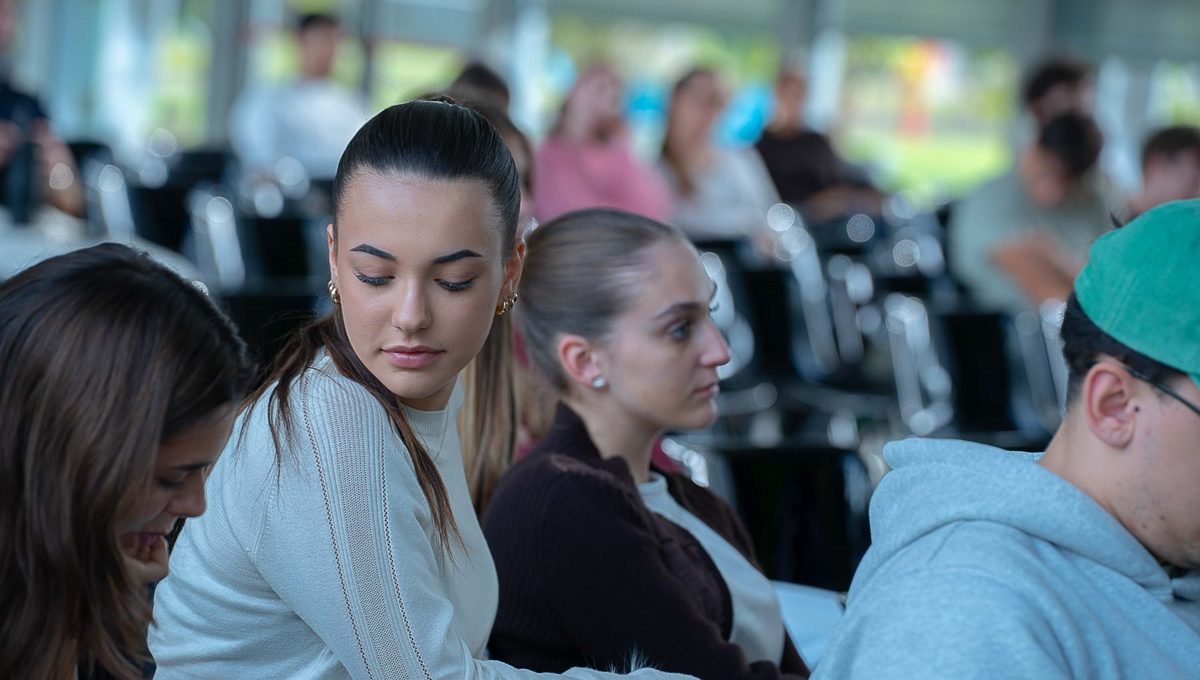
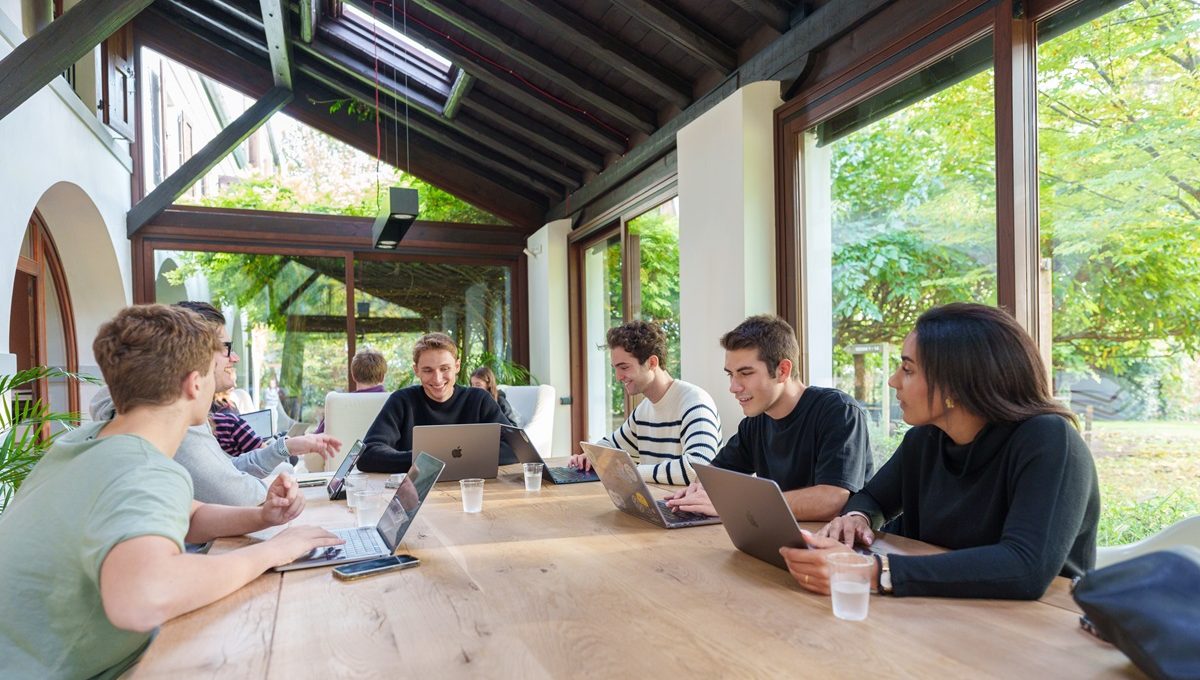
At 4:30 pm, in Sala Biennale, the material gathered became the starting point for a workshop led by Prof. Luciano Comacchio, Director of the Creativity, Arts & Design department. Working in small groups, laptops in hand, students compared their own images and recordings with the official documentation of the same works (catalog photos, press releases, social media posts), then designed a visual synthesis to project and discuss together.
Three questions guided the discussion:
- What remains of the experience when it is squeezed onto a 16:9 screen?
- Which of the four channels suffers most from digital reproduction?
- How can we use our lived experience to tell the story of a work in a unique way, instead of reducing it to a standard fact sheet?
That is what H-Expeditions are all about: stepping out of the classroom and training the eye in the field, because to learn how to tell the story of a work of art, you first have to experience it.



 Back

