Graphic Designer: What They Do and How to Become One in the AI Era
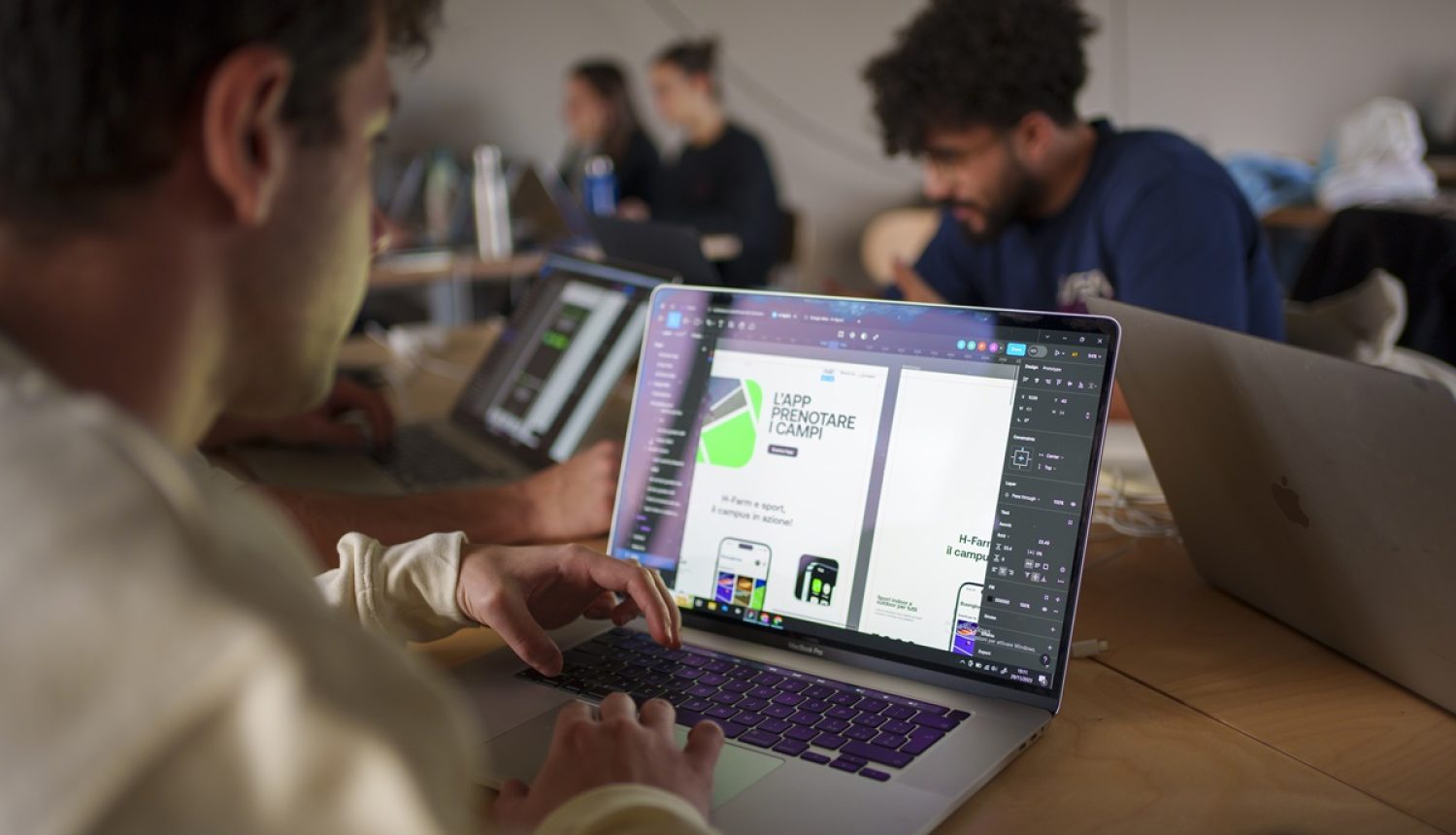
A graphic designer creates visual content that gets a message across: logos, brand identities, packaging, social media graphics, magazine layouts and digital interfaces. They turn a client brief into images, colors and typography that people understand at a glance. Today most of the work is digital and spans many channels.
Have you ever recognized a brand by the color of its packaging before reading its name? A graphic designer is behind that feeling: a translator who turns an idea into a visual language everyone understands.
This guide covers what a graphic designer does, the main types of graphic design, the career outlook, the skills you need and how AI is changing the job.
What is a graphic designer and what do they actually do
A graphic designer turns a brand’s communication goals into concrete visual projects. To see what the job really involves, we start with the meaning of the discipline and a typical working day.
What is graphic design: meaning and main fields
Graphic design is the discipline of organizing information and ideas visually, using typography, color, images and layout. Its goal is to communicate a message clearly and memorably.
The fields range from brand identity to editorial design, from packaging to social and web content. Every project answers a specific goal: to inform, to persuade or to make a brand unforgettable.
A day in the life: from brief to final file
The day often starts with a brief: a client or the marketing team explains the goal, the audience and the constraints. The graphic designer gathers references, sketches first ideas and proposes two or three directions.
Production follows: laying out pages, choosing fonts and palettes, creating variations for different formats. The afternoon is made of feedback, revisions and preparing final files for print or web.
Delivery is not the end of the job: the designer checks that the graphics work across screens, materials and channels.
Types of graphic design: brand, editorial, packaging, motion and digital
Graphic design splits into specializations with different tools and goals. This table summarizes the main ones.
| Specialization | What they do | Where they work |
| Brand designer | Creates logos, visual identities and brand guidelines | Branding agencies, companies, design studios |
| Editorial graphic designer | Designs layouts for books, magazines, reports and catalogs | Publishers, newsrooms, agencies |
| Packaging designer | Designs product packages and labels | Consumer goods companies, packaging studios |
| Motion designer | Animates graphics, titles and video content | Agencies, production studios, social teams |
| Digital and social designer | Produces banners, social graphics, newsletters and landing pages | Marketing teams, e-commerce, digital agencies |
If you are drawn to apps and websites, discover what a UX/UI Designer does.
Are graphic designers still in demand? What the data says
The World Economic Forum Future of Jobs Report 2025 places graphic designers just outside the top ten fastest-declining roles, which it calls “a first-time prediction” compared with earlier editions.
The same outlook lists creative thinking among the most important skills for 2030. Repetitive production is being automated, while ideas, creative direction and brand consistency become the designer’s value.
The most recent data point to a market that is shifting, not closing: according to the Autodesk AI Jobs Report 2026, the fastest-growing AI roles in Design and Make include AI UX Designer (+145%) and AI Creative Technologist (+123%), year-on-year change for 2025-2026.
How AI is changing graphic design
Adobe Firefly, Midjourney and Figma’s AI features automate repetitive tasks such as background removal, layout variations, mockups and resizing for multiple formats.
Designers who use them well deliver more options in less time and spend the saved hours on concept, brand strategy and quality control.
Graphic designer career outlook
Graphic design remains a viable career for designers who combine strong craft with digital, strategic and AI skills. Companies, agencies and startups all need clear visual communication.
In-house, agency or freelance: what changes
In-house designers work on a single brand with stable processes. Agency designers handle several clients at a fast pace and build a more varied portfolio.
Freelancers are paid per project or per day, and their income depends on portfolio, client network and pricing skills. Coordination roles such as art director or creative lead add responsibility for creative direction and budgets: read how to become an Art Director.
How to become a graphic designer: skills and path
Becoming a graphic designer takes technical skills, visual sensitivity and a portfolio that proves them. Here is what to learn and how to present yourself to companies.
Hard skills: typography, color, Adobe Creative Cloud, Figma and AI tools
- Typography, color and composition: the foundations that make a layout readable and consistent.
- Adobe Creative Cloud: Photoshop, Illustrator and InDesign remain the reference tools for images, vectors and page layout.
- Figma: for interfaces, templates and teamwork with developers and product designers.
- AI tools: Adobe Firefly, Midjourney and built-in AI features generate variations and speed up production.
- Motion and web basics: they bring your graphics to video, social and websites.
Soft skills and portfolio: what companies really look for
In interviews the portfolio weighs more than the degree: it shows method, taste and the ability to solve a communication problem. Communication, handling feedback and explaining your choices matter too.
What a graphic designer portfolio should include
Three to five complete projects, chosen for variety, are enough. For each one, tell the brief, the process (research, drafts, revisions) and the result, ideally on real projects or simulated ones with a clear goal.
A degree in design or visual arts is not mandatory, but it gives you method, constant feedback and projects for your portfolio. That is the approach of the programs in the Creativity, Arts & Design department at H-FARM College.
Graphic designer vs art director vs UX/UI designer
The three roles share visual skills but have different goals. This table compares them.
| Role | Focus | Goal | Typical tools |
| Graphic designer | Visual communication across media | Make a message understood and remembered | Illustrator, Photoshop, InDesign |
| Art director | Creative direction of campaigns and teams | Consistency and quality of the visual idea | Moodboards, presentations, design tools |
| UX/UI designer | Experience and interface of apps and websites | Usability and user satisfaction | Figma, prototypes, usability tests |
In short, the graphic designer shapes the message, the art director guides its creative direction and the UX/UI designer designs how it works inside digital products.
Build your design career at H-FARM College
At H-FARM College design is learned by doing: students work on real challenges with partner companies, next to creatives, technologists and startups. There is no gap between classroom and profession: briefs come from the working world and the projects become work you can show in your portfolio.
You are guided by faculty who are industry professionals. Alongside the core classes you can add enhancing courses, extra-curricular programs updated every year around the most requested skills, and you pick up the startup mindset of H-FARM: problem solving, resilience and a habit of learning that any creative career needs.
The Creativity, Arts & Design department brings together the College’s creative programs. If you are starting from high school, the BA in Animation, Design & Visual Arts is the three-year path that takes you from the foundations of design and visual communication to increasingly complete projects. If you already hold a degree, the MA in Design & Communication with AI brings design into AI-powered workflows.
The best way to know if a place is right for you is to see it up close. At the Open Day you meet the team and the people who live the College every day, and you can ask anything about programs and admissions. If you already have an idea of what you want to do after high school or your degree, the Admissions team can help you choose the right program: one conversation is often enough to turn curiosity into a plan. Pick a date and come meet us.


FAQ
frequently asked questions about graphic designers


A graphic designer creates visual content that gets a message across: logos, brand identities, packaging, social media graphics, magazine layouts and digital interfaces. They turn a client brief into images, colors and typography that people get at a glance. Today most of the work is digital and spans many channels.
Yes, especially if you mix creativity with digital and strategic skills. Companies, agencies and startups all need strong visual communication, and the role can grow into art direction, brand design or UX/UI. Designers who use AI tools well and think in terms of brand strategy have the best career outlook.
Not always, but a degree in design or visual arts makes a real difference. It gives you solid basics in composition, color and typography, a clear design method and hands-on practice with pro tools. Your portfolio is what gets you hired, and a good program helps you build it on real projects.
No, but it is changing the job. Tools like Adobe Firefly, Midjourney and Figma’s AI features speed up repetitive tasks like background removal, variations and mockups. The designer’s value moves to ideas, creative direction and brand consistency. Designers who know how to guide AI get faster and more in demand.
A graphic designer works on visual communication across print and digital media. A UX/UI designer designs the experience and interface of digital products like apps and websites, starting from user needs and usability tests. They share visual skills, but their goals and methods are different.






 Back

